- Home
- China
- World
- Asia-Pacific
- Americas
- Europe
- Middle-East and Africa
- Politics
- Business
- Opinions
- Tech & Sci
- Culture
- Sports
- Travel
- Nature
- Picture
- Video
- Live
- TV
- Specials
- Learn Chinese

 Europe;Brussels, Belgium
Share







Copied
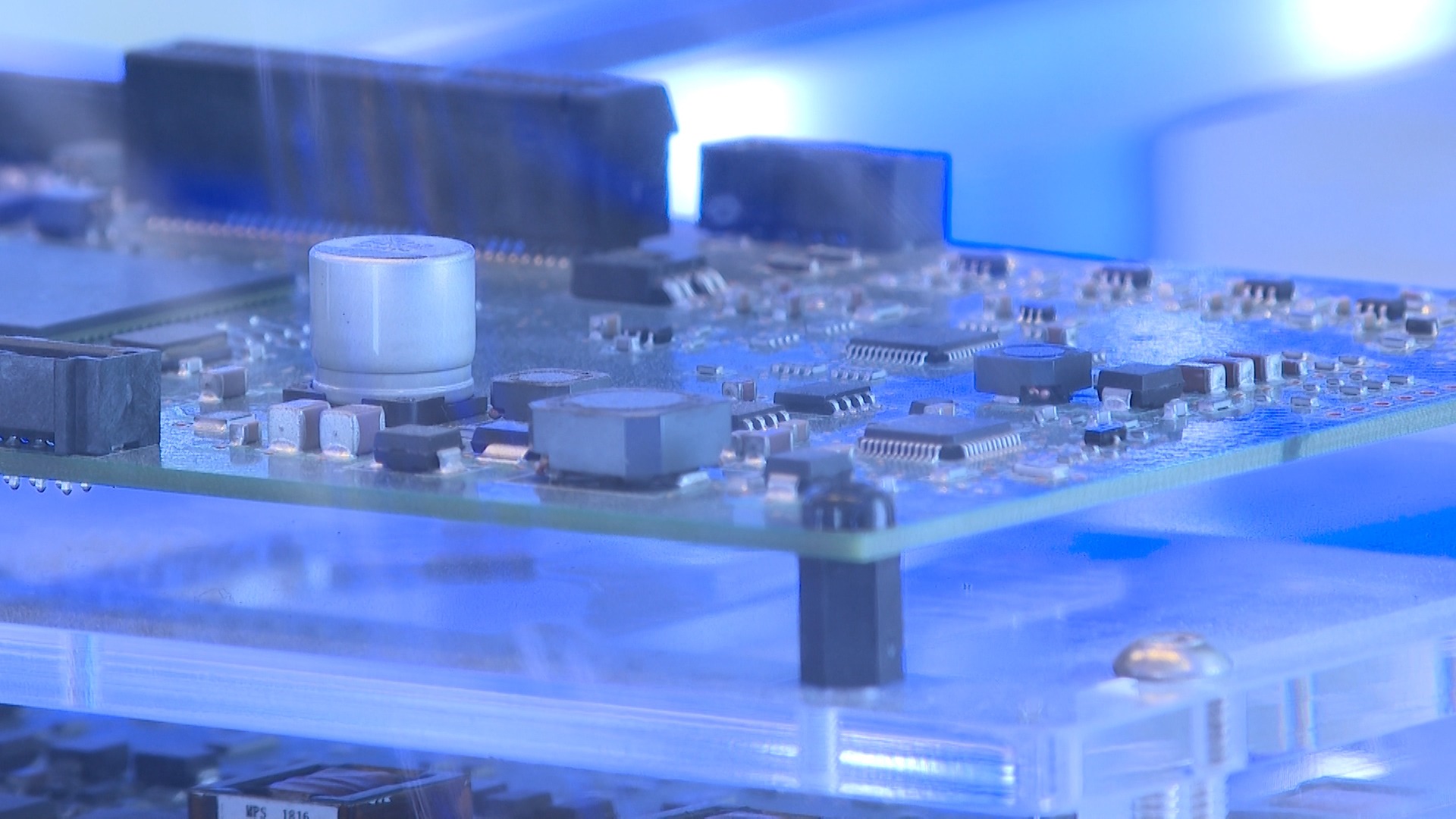
The global shortage of semiconductors will be high on the agenda at the U.S.-EU talks. /CGTN
Top American and European Union officials are meeting in the US to discuss technology and trade, just two weeks since the announcement of the AUKUS partnership.
The new pact between the U.S., the UK and Australia, through which Washington will share nuclear submarine technology with Canberra, blindsided the European Commission and caused a diplomatic spat between the French and the Americans.
READ MORE
Hungary signs gas deal with Russia
What are Germany's coalition options?
Artificial intelligence, semiconductors
Ahead of the meeting, the U.S. State Department said the two sides will "explore mechanisms to expand and deepen transatlantic trade and investment."
Artificial intelligence and the global shortage of semiconductors, which are used in everything from washing machines to cars, are expected to dominate the talks. A leaked joint statement obtained by the news website Politico Europe suggested the U.S. and EU will agree to partner up on "rebalancing" the global supply chain of semiconductors. Asia dominates the production of the crucial microchips. Washington and Brussels are both openly looking to boost production capacity in their own backyards.
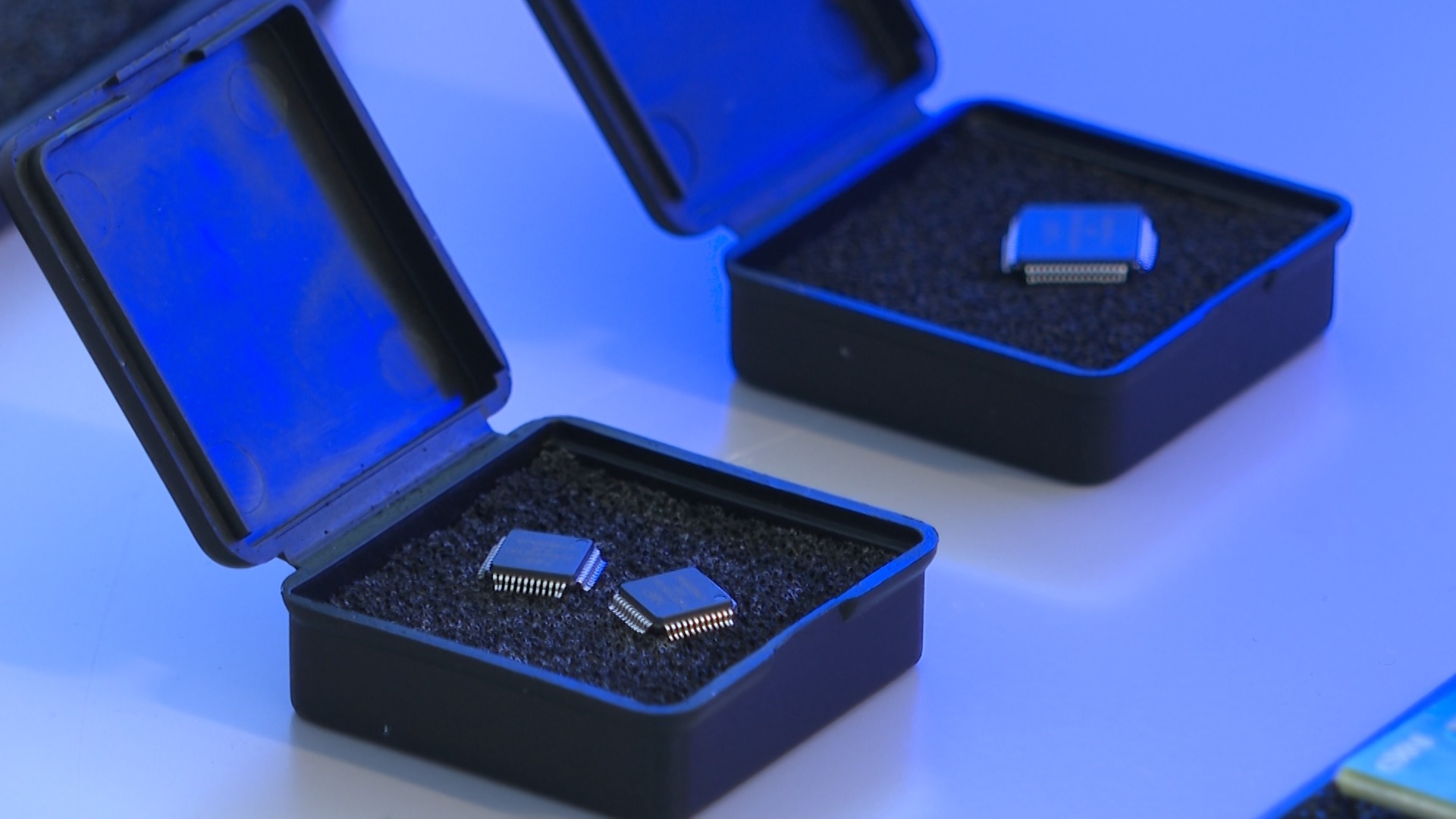
Semiconductors are used in everything from smartphones to washing machines. /CGTN
The State Department said technology standards and cyber-security will also be on the agenda.
Guest list
U.S. Secretary of State Antony Blinken, Commerce Secretary Gina Raimondo and Trade Representative Katherine Tai are all set to attend the talks in Pittsburgh, Pennsylvania. On the other side of the table will be the European Commission's Vice-President for Trade Valdis Dombrovskis and Vice-President for Digital Margrethe Vestager.
Ahead of the talks, U.S. officials said they hope to partner with Europe to compete against China in developing cutting-edge technology.
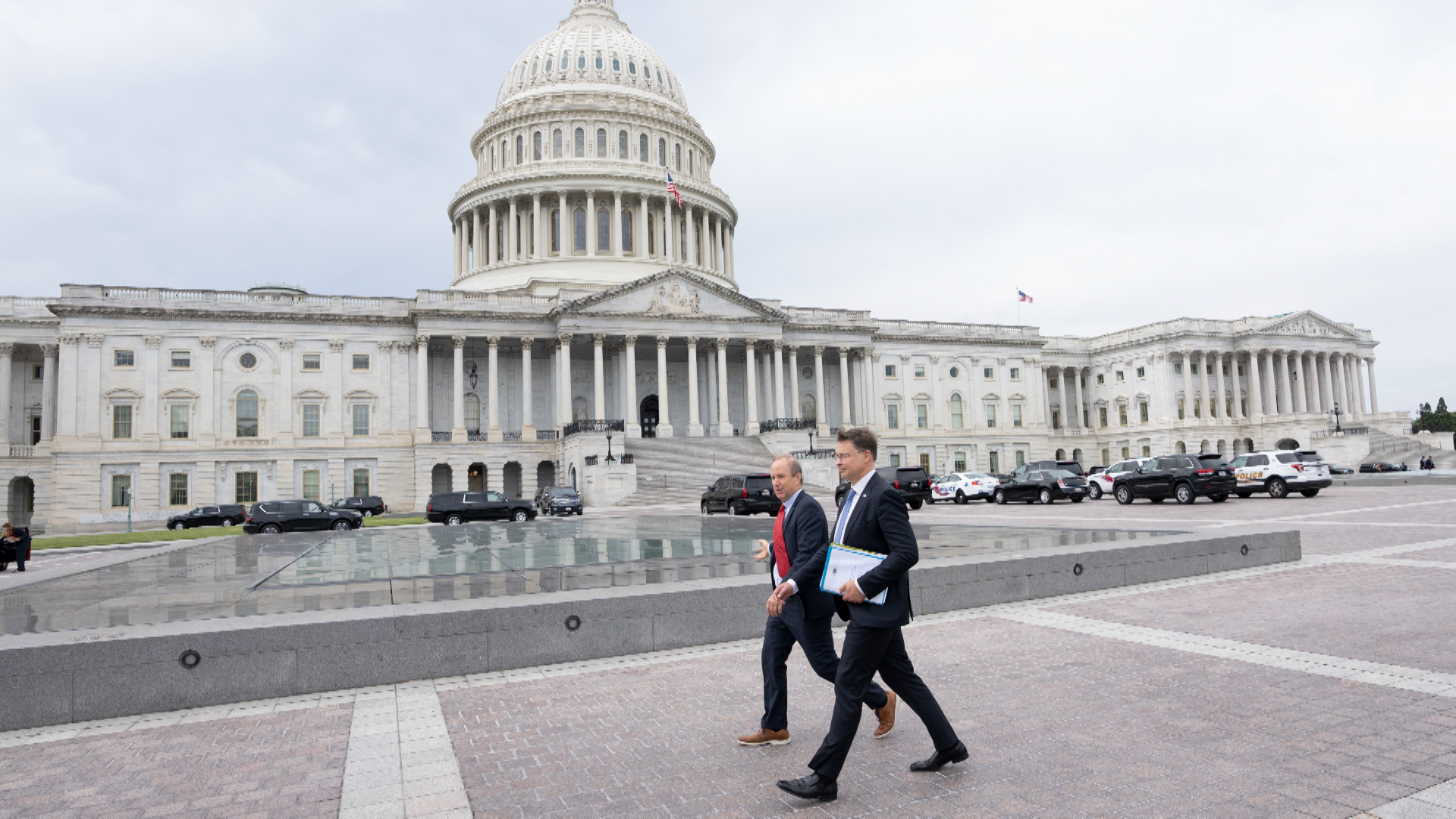
The European Commission's Valdis Dombrovskis in Washington. /EBS
During an interview on the U.S. news channel CNBC on Tuesday, Raimondo said: "We have to work with our European allies to deny China the most advanced technology so that they can't catch up in critical areas like semiconductors."
Auk-ward
A question mark had been hovering over the inaugural talks since the announcement of the AUKUS pact, which led to Australia scrapping a $40 billion contract with a French company to build new submarines.
France's Foreign Minister Jean-Yves Le Drian described the move as a "stab in the back." The French government also recalled its ambassador to the U.S..
However, after a phone call between U.S. President Joe Biden and his French counterpart Emmanuel Macron, France's ambassador returned to Washington and the tech and trade summit in Pittsburgh went ahead as planned.
