- Home
- China
- World
- Asia-Pacific
- Americas
- Europe
- Middle-East and Africa
- Politics
- Business
- Opinions
- Tech & Sci
- Culture
- Sports
- Travel
- Nature
- Picture
- Video
- Live
- TV
- Specials
- Learn Chinese


Share







Copied
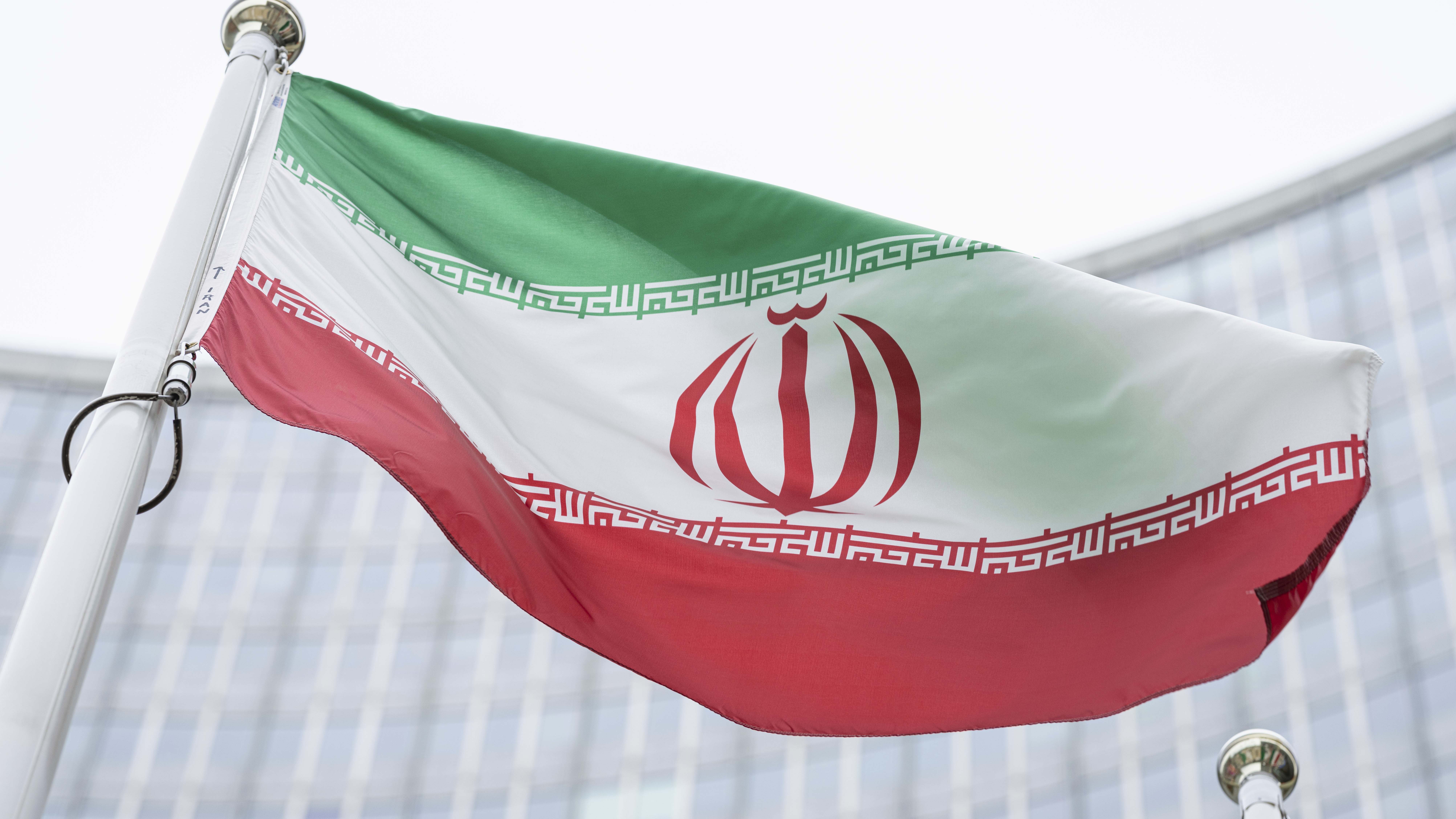
The flag of Iran waves in front of the the International Center building in Vienna, which houses the headquarters of the International Atomic Energy Agency. /AP Photo/Florian Schroetter
There is no sign of a breakthrough on nuclear talks between Iran and six major powers in Vienna.
Diplomats have been locked in discussion for four days, trying to reach agreement on reviving a 2015 deal to limit Iran's nuclear development program. But so far, it's mostly resulted in finger pointing.
READ MORE
Meat and dairy firms set to increase GHG emissions
NATO members threatening Russia, says Putin
The 20 year-old who wants to clean the oceans
Working groups had been set up at Vienna's Palais Coburg, to try to reach a consensus. But European diplomats are showing frustration, saying they are wasting "precious time" with Iran's new demands and that "time is running out."
The 2015 deal that was to be salvaged, they say, will soon be nothing more than an empty shell. And the U.S. is now warning about possible "alternatives" to diplomacy.
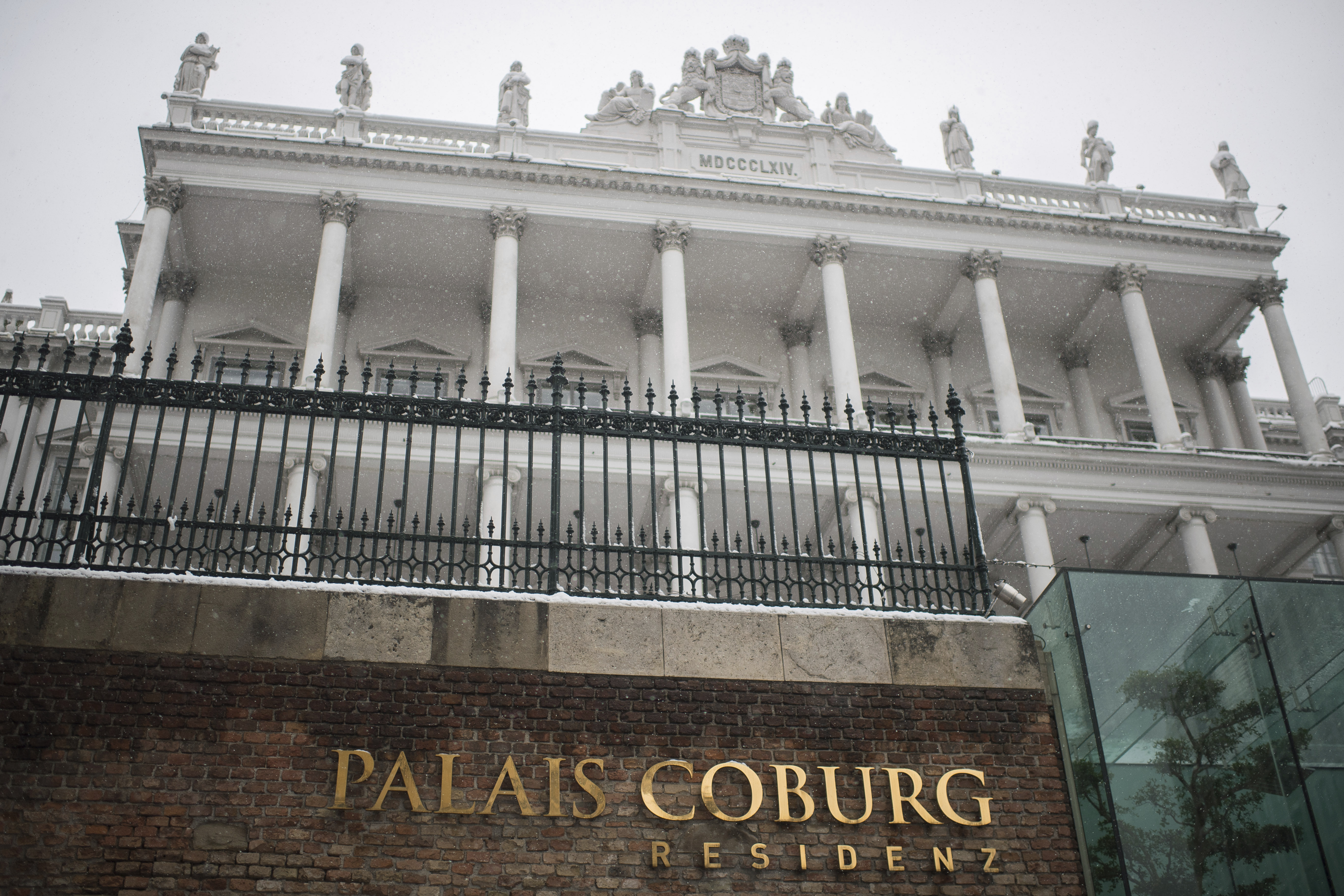
Snow falls on the Palais Coburg, where closed-door nuclear talks take place in Vienna, Austria. /AP Photo/Michael Gruber
Iran's chief negotiator Ali Bagheri Kani says his country is at least trying to make constructive proposals and that Western nations are persisting in their "blame game."
"Diplomacy is a two-way street. If there's real will to remedy the culprit's wrongdoing, the way for a quick, good deal will be paved," he said.
However, Iran recently said it would not readmit inspectors from the International Atomic Energy Agency to its nuclear facility in Karaj – a key sticking point at the talks.
"Karaj ... is outside of safeguards ... We act within the framework of safeguards and NPT [Treaty on the Non-Proliferation of Nuclear Weapons] and do not accept anything else," Iran's nuclear chief Mohammad Eslami was quoted as saying by the news agency ISNA.
It is still unclear whether concessions will come – and from which side. Will Washington take the first step by lifting economic sanctions, or will Tehran offer a framework on limiting its nuclear program?
Mutual trust has still not been restored after the U.S. unilaterally withdrew from the pact three years ago. And it remains to be seen whether the mediators – China, Russia and Europe – can build bridges.
