- Home
- China
- World
- Asia-Pacific
- Americas
- Europe
- Middle-East and Africa
- Politics
- Business
- Opinions
- Tech & Sci
- Culture
- Sports
- Travel
- Nature
- Picture
- Video
- Live
- TV
- Specials
- Learn Chinese


Share







Copied
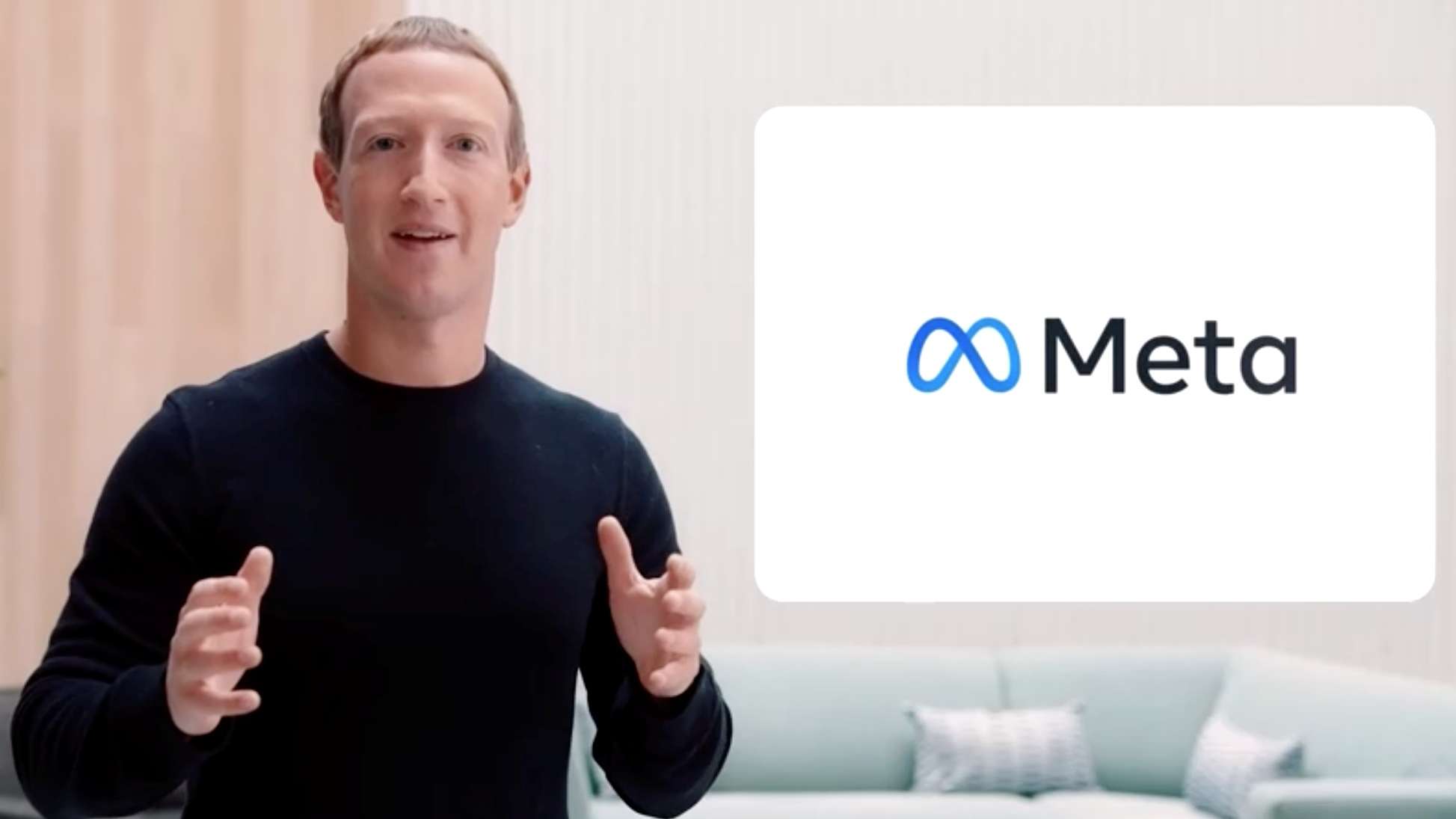
Meta CEO Mark Zuckerberg during a live-streamed conference about rebranding his company. / Facebook/Handout via Reuters
It was an announcement seemingly asking to be made into a meme - Facebook isn't called Facebook anymore, or at least the company that owns the website isn't.
Instead, Facebook inc. will be dubbed Meta Platforms inc., and the internet promptly responded to that news.
Wendy's, a U.S. hamburger chain, responded to the announcement on Thursday with a tweet that said: "Changing name to Meat." Meta's new Twitter account, which has since gained 13.5 million followers, responded in kind with "Nice to meat you, @Wendys."
Another person tweeted: "Everyone posting about Facebook on Twitter is very... meta."
But behind the jokes lay a concern about Facebook and its power. "The name was never the problem," said the activist group called The Real Facebook Oversight Board.
What does this mean?
Despite the extensive coverage around the announcement, very little has changed to the actual site called Facebook. The social media platform itself will keep its name.
It's only the name of the company that owns it, WhatsApp and Instagram that has changed, in addition to its logo. Instead of the iconic thumbs-up sign in front of its headquarters in Menlo Park, California, there will now be a blue logo that resembles something between a pretzel and an infinity symbol.
The internal structure of the company, including the senior leadership and CEO, will stay the same - at least for now.
Almost immediately after the announcement, skeptics of the company accused it of distracting attention away from the Facebook Papers controversy, in which leaked documents alleged it was putting profits above attempts to rid the platform of hate-speak, misinformation and political strife - Facebook rejects the claims, with CEO Mark Zuckerberg saying the documents painted a "false picture," adding: "We care deeply about issues like safety, well-being and mental health."
Laura Ries, a marketing consultant told AP: "Facebook is the world's social media platform, and they are being accused of creating something that is harmful to people and society.
"They can't walk away from the social network with a new corporate name and talk of a future metaverse.”
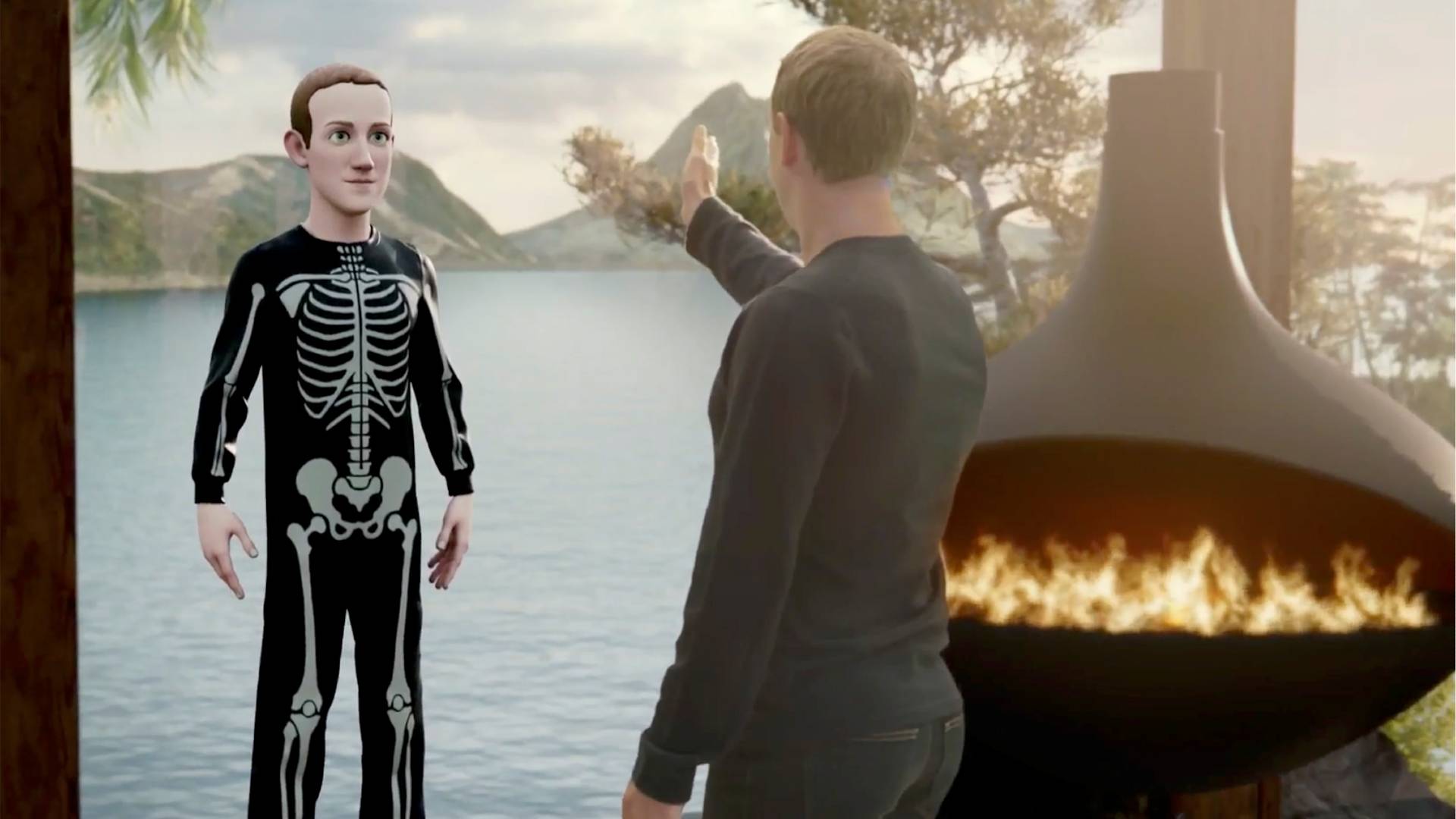
Meta CEO Mark Zuckerberg speaking to an avatar of himself during a demonstration on the 'metaverse.' / Facebook/Handout via Reuters
What is the 'metaverse'?
With the name change comes a proposed new version of the internet that aims to blur the divide between the digital and physical worlds - the 'metaverse'.
According to Meta's Zuckerberg, this would be a "virtual environment" where users could one day meet friends, work, shop, take a trip, view a concert, or make artwork.
Victoria Petrock, an analyst of emerging technologies, described it as "a seamless, doppelganger universe.”
Meta will hire 10,000 developers in the European Union to tackle this feat.
And according to Zuckerberg's predictions: "Within the next decade, metaverse will reach a billion people, post hundreds of billions of dollars of digital commerce, and support jobs for millions of creators and developers.”
But Meta is not the only company trying to create this version of the internet. Microsoft and chipmaker Nvidia have already announced similar plans.
"We think there's going to be lots of companies building virtual worlds and environments in the metaverse, in the same way, there have been lots of companies doing things on the World Wide Web," said Richard Kerris, the vice president of Nvidia's Omniverse platform.
There are also ethical questions for this type of technology. Virtual reality gives companies far more personal data on its users than just traditional websites alone.
And Meta has made it clear that its business plan will still focus on ad revenue.
"Ads are going to continue being an important part of the strategy across the social media parts of what we do, and it will probably be a meaningful part of the metaverse, too," Zuckerberg said.
