- Home
- China
- World
- Europe
- Politics
- Business
- Opinions
- Tech & Sci
- Culture
- Sports
- Travel
- Nature
- Picture
- Video
- Live
- TV
- Specials


Share







Copied
TOP HEADLINES
- Russia is to begin COVID-19 vaccine trials on 40,000 people from next week, which will be overseen by a foreign research body which is backing the project. The vaccine, called Sputnik V, has undergone two months of small-scale human trials.
- Countries across Europe are reporting a surge in coronavirus cases, with many reporting their highest figures in months. Spain reported 3,715 new infections on Wednesday, Italy reported 642 and Germany noted 1,707 new cases.
- Travelers arriving in the UK after 0400 on Saturday from Croatia, Austria and Trinidad and Tobago will need to quarantine for 14 days, said the transport secretary, Grant Shapps. Portugal has been added to the travel corridors list, meaning that people do not have to quarantine on arrival in the UK.
- The European Commission says talks have concluded with CureVac about the purchase of 225 million doses of the German company's potential COVID-19 vaccine.
- Masks are now compulsory anywhere outdoors in Nice. Toulouse will implement the same rule from Friday and more than one in three French towns and cities have introduced rules on wearing masks in centers, markets or busy areas.
- Ukraine registered 2,134 new coronavirus cases in the past 24 hours, which is a new daily high for the country, says the health minister, Maksym Stepanov.
- Debate has restarted in Germany about cutting the working week to four days in an effort to prevent unemployment exacerbated by the coronavirus pandemic. Unemployment in the country has increased from five percent to 6.4 percent during the current health crisis. "Reduced hours with some wage compensation may be an appropriate measure" said German labour minister Hubertus Heil.
- New coronavirus cases are being reported at the fastest daily rate in France since May, as almost 3,800 infections were confirmed. "All indicators continue to climb and transmission of the virus is intensifying" said the health ministry's DGS public health division in a statement.
- Russia reported 110 new deaths in the past 24 hours, with its death toll reaching 16,099 on Thursday.
- The World Health Organization (WHO) has said Europe is reporting 26,000 new coronavirus cases every day. Hans Kluge, the WHO regional director for Europe, said that when the "epicenter" of the pandemic had moved to the Americas, the European region still accounted for 17 percent of global total coronavirus cases.
- The number of people registered as unemployed in Portugal edged up 0.2 percent in July from the previous month and was 37 percent higher year-on-year due to the impact of the coronavirus pandemic, according to figures released from the Institute of Employment and Professional Training. The Algarve region and Greater Lisbon are some of the hardest hit areas due to reliance on tourism.
- A family of tourists was kicked off a Mediterranean cruise after leaving their organized excursion at the port of Naples to go sightseeing on their own around Capri, which violated the ship's new COVID-19 regulations, says the company. The MSC Grandiosa departed from Genoa on Sunday for a seven-day tour at 70 percent passenger capacity.
- Estée Lauder has reported a 32 percent fall in fourth-quarter sales due to travel restrictions and store closures leading to a dwindling demand for high-end beauty brands. The company, which has subsidiaries including MAC Cosmetics and Clinique, says it will slash 1,500 to 2,000 jobs across the globe, including point-of-sale employees.
- Belgian schools will reopen on 1 September, with masks mandatory for children above 12 years old and teachers, says prime minister Sophie Wilmes.
- Northern Ireland has reduced the number of people allowed to meet both indoors and outdoors from 30 to 15 and gatherings in private dwellings are only permitted at a maximum of six individuals from two households.
- Airbnb has banned parties at sites listed on its platform in an effort to enforce social-distancing norms. "Instituting a global ban on parties and events is the in the best interest of public health" said Airbnb in a statement.
- The Czech government has relaxed its face mask requirements. In response to criticism, the health minister Adam Vojtěch said the government's team of experts have decided to drop the requirement for schools, shops and restaurants and masks will only be compulsory in public buildings, on transport and at events with more than 100 people.
- Sweden is participating in the European Union's deal with pharmaceutical group AstraZeneca, meaning six million doses of the vaccine would be provided to 10 million people in an initial phase, with two million more being available in a later phase.
- More than 22 million people have been diagnosed with COVID-19 around the world, and more than 14 million have recovered. More than 787,600 people have died, according to data from Johns Hopkins University.
ACROSS EUROPE
Nawied Jabarkhyl in London
The fiasco around school examination results looks set to get worse for the UK government. As a result of the coronavirus, students were unable to take exams.
While hundreds of thousands of pupils in England, Wales and Northern Ireland received their GCSE grades on Thursday, almost a quarter of a million on vocational BTec courses will have to wait longer.
A last-minute decision by exam board Pearson means many BTec awards will not be handed out on Thursday. Instead, they'll be re-graded to avoid any further controversy.
Meanwhile, officials in the English town of Oldham say a local lockdown would be disastrous for the area's economy and could fuel racial tensions. The UK government is considering tightening rules in the area as it has the highest COVID-19 case rate in Britain.
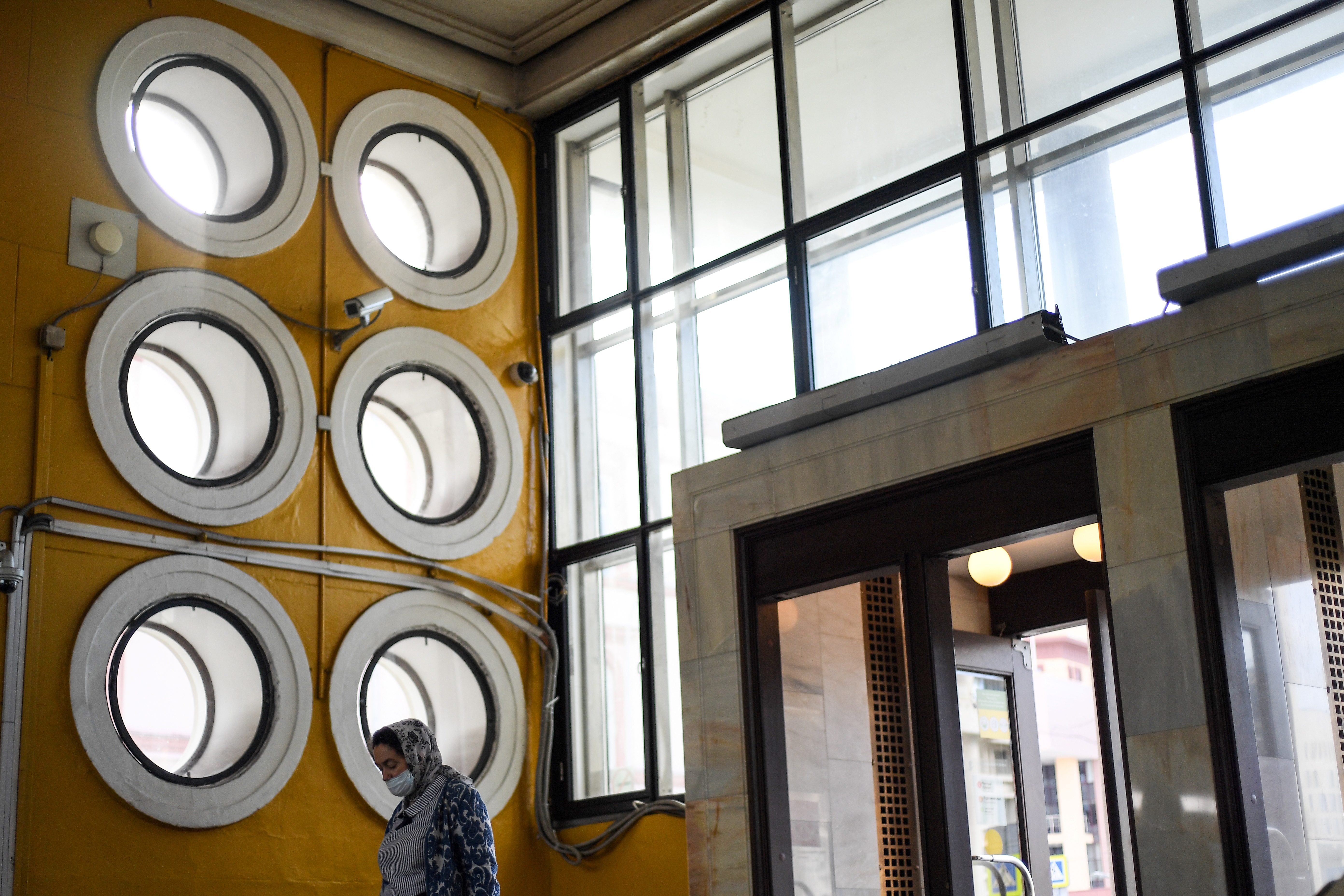
A woman wearing a face mask to protect against the coronavirus disease enters Chistye Prudy metro station in Moscow. /Kirill Kudryavtsev/AFP
Ross Cullen in Paris
France has registered its highest daily rise in the number of cases of the coronavirus since the height of lockdown in May as 3,776 new cases were registered, with 17 more deaths.
Despite this, the president has ruled out imposing another national lockdown. Emmanuel Macron says "local strategies" are preferable to a new nationwide confinement which would, he argues, cause considerable "collateral damage."
This strategy seems likely to be deployed by the government when it comes to the rising number of cases in care homes. Ministers do not want to lock down entire elderly people's homes but instead they favour isolating patients on a case-by-case basis.
Separately, a teachers' union has written to the government asking for a delay to the start of the school year over safety concerns. The SNUipp-FSU says the planned safety protocols are "insufficient" and says the plan was "written at a time when the virus was not circulating."
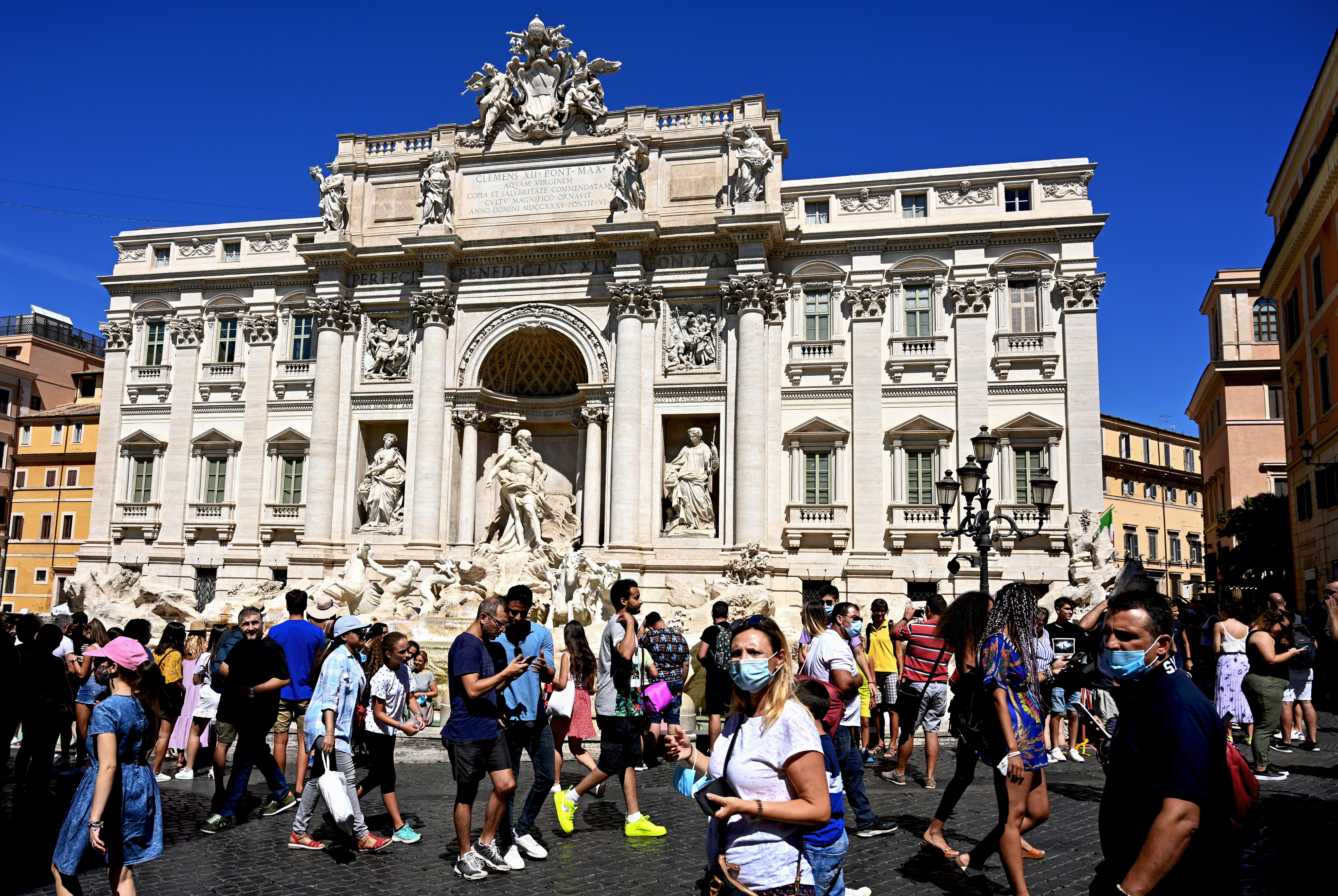
Tourists walk by the Trevi fountain in downtown Rome during the COVID-19, caused by the novel coronavirus. /Vincenzo Pinto/AFP
Toni Waterman in Brussels
The number of new coronavirus infections appears to be stabilizing after the government imposed stricter measures four weeks ago. But a new study has found that fewer people in Flanders are motivated to follow the rules.
Research conducted by the University of Ghent showed that just 35 percent of respondents said they were motivated to strictly follow measures like mask wearing and social distancing. That's down from 81 percent in March.
Waning motivation would make it hard to implement a wild idea one group of family doctors in Brussels are suggesting. They're recommending that anyone living in a multi-generational household wear a face mask while at home after an uptick in infections among younger age-groups.
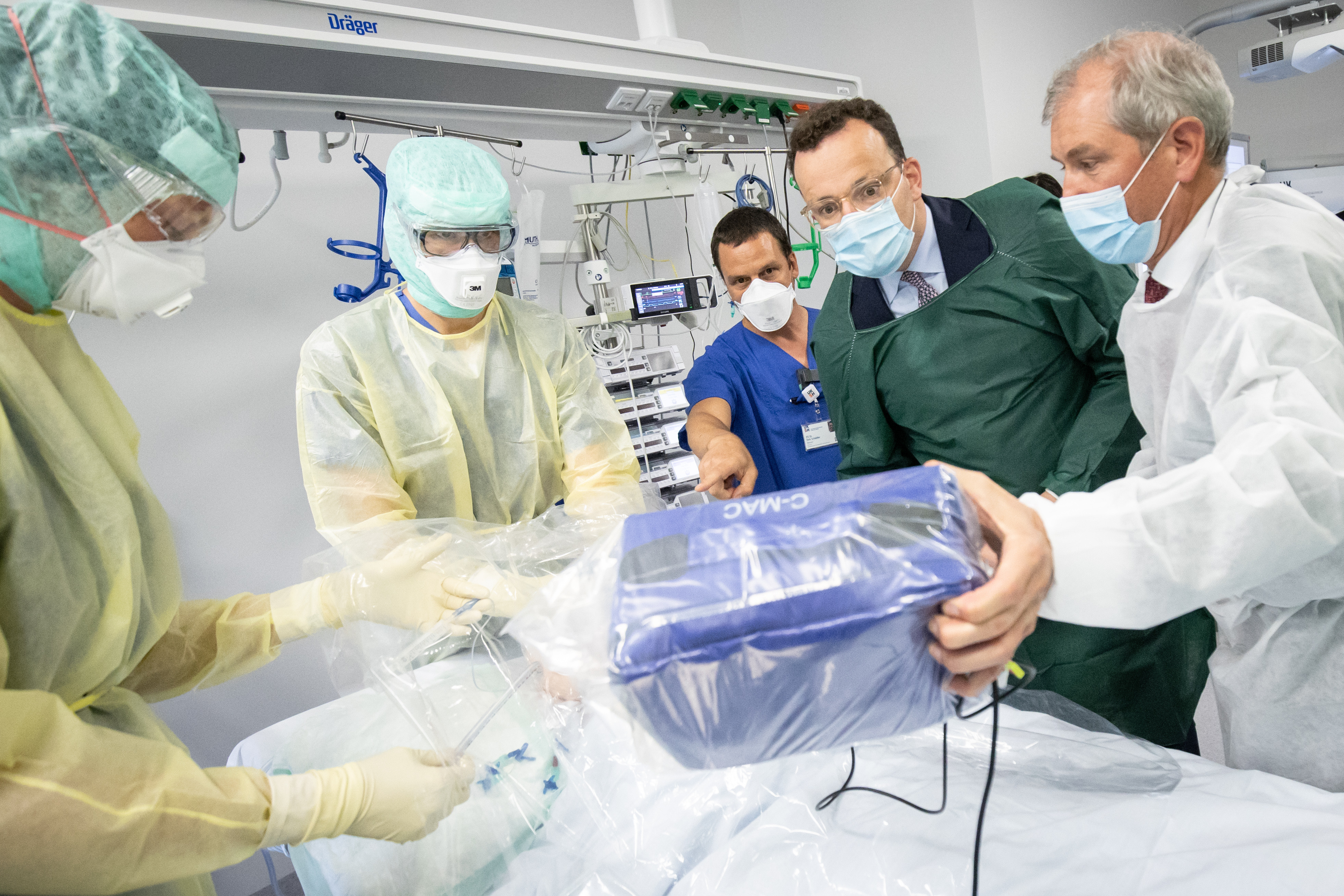
German Health Minister Jens Spahn looks at an incubation system for patients infected with the new coronavirus next to the Chairman of the Board of the University Medical Center of Schleswig-Holstein (UKSH) Jens Scholz during his visit to the UKSH intensive care unit in Kiel, Germany. /Christian Charisius/Pool/AFP
FROM OUR GLOBAL COLLEAGUES
CGTN Europe podcast: Notes on a pandemic: New hope for the planet
CGTN China: Chinese mainland reports 7 new COVID-19 cases, all from overseas
CGTN America: Finding a golden opportunity – despite the pandemic
CGTN Africa: Unemployment rate in Rwanda increases to 22 percent
Sign up here to get the COVID-19 Europe bulletin sent directly to your inbox
CGTN Europe has been providing in-depth coverage of the novel coronavirus story as it has unfolded. Here you can read the essential information about the crisis.