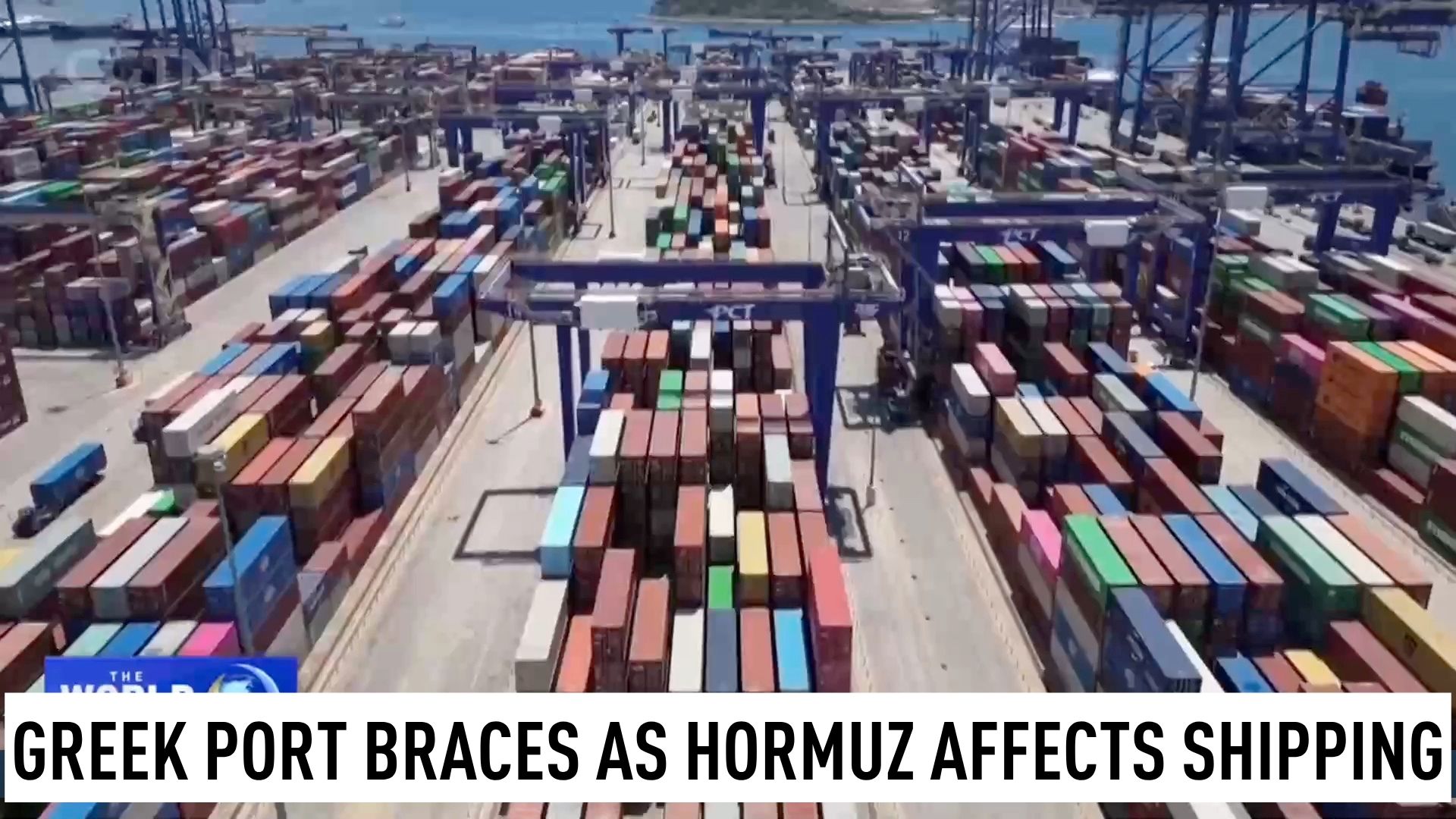
Tension in the Middle East is piling fresh pressure on global shipping, as disruption from the Red Sea to the Strait of Hormuz forces vessels onto longer and more expensive routes.
At Greece's main port of Piraeus, one of the Mediterranean's most important gateways for cargo heading into Europe, the cranes are still moving and containers continue to stack up along the waterfront. But behind the steady rhythm of port operations, shipping companies are facing a much tougher map.
Conflict and insecurity across key maritime routes have pushed major container lines to rethink how goods reach Europe. Instead of using the faster Suez Canal route, many vessels are now sailing around Africa – adding time, fuel costs and pressure to supply chains.
Angelos Karakostas, Deputy CEO of OLP and Director for COSCO Shipping Greece, says the shift has changed the role Piraeus plays in the region.
"Because of the dangers, our shipping lines are now sailing around Africa," he said. "Piraeus used to have a strategic advantage, being the first port after Suez on the way in to Europe. But that advantage has now been lost. Overall, we have lost very little traffic, but it is just taking longer."
That is the message Piraeus is trying to send: the port has been affected by global instability, but it has not been brought to a standstill.
The biggest impact is not seen in ships waiting outside the harbor. Instead, the pressure is being felt further out at sea, through longer journeys, higher fuel bills and increased freight rates, costs that can eventually be passed on to consumers.
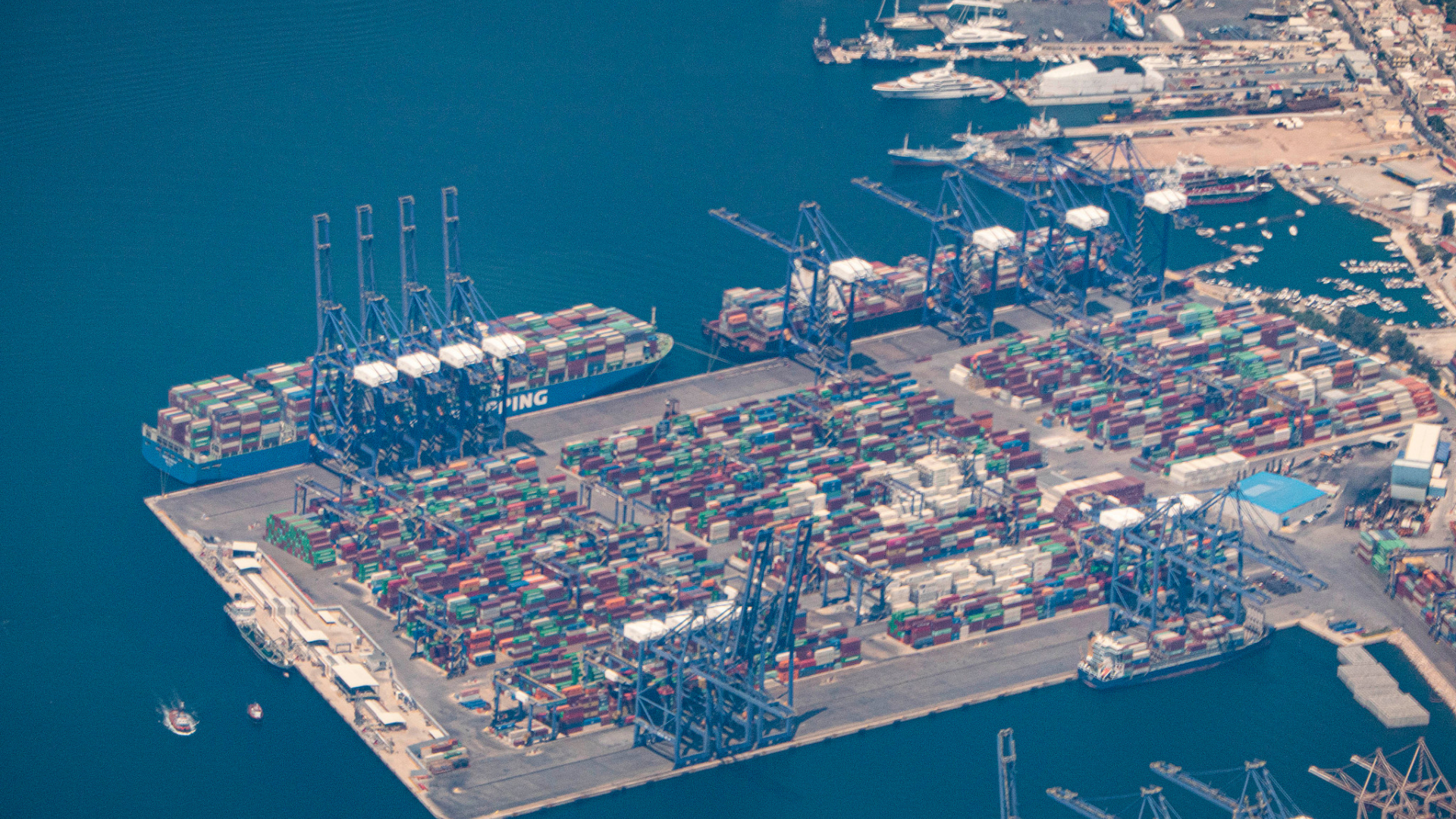
Although operations at Greece's main port of Piraeus continue as normal, conditions behind the scenes are becoming increasingly difficult. /CFP
For port operators, the key selling point is speed once cargo reaches shore.
"Cargoes have been burdened with higher freight rates, and also with increased transit time," Karakostas said. "But this does not affect the port. Nor does it affect the capacity of the port's supply chain. From the moment the cargo arrives here, we have no delays at all. Ships berth very quickly. Waiting times are almost zero."
As global shipping faces another period of uncertainty, Piraeus remains a crucial link between Asia, the Mediterranean and Europe.
The risks may be spreading across the sea routes, and the costs may be moving through the supply chain, but for now, at Greece's busiest port, the cargo keeps moving.