By continuing to browse our site you agree to our use of cookies, revised Privacy Policy and Terms of Use. You can change your cookie settings through your browser.
With another prime minister gone, what's next for Macron and France?

Share







Copied
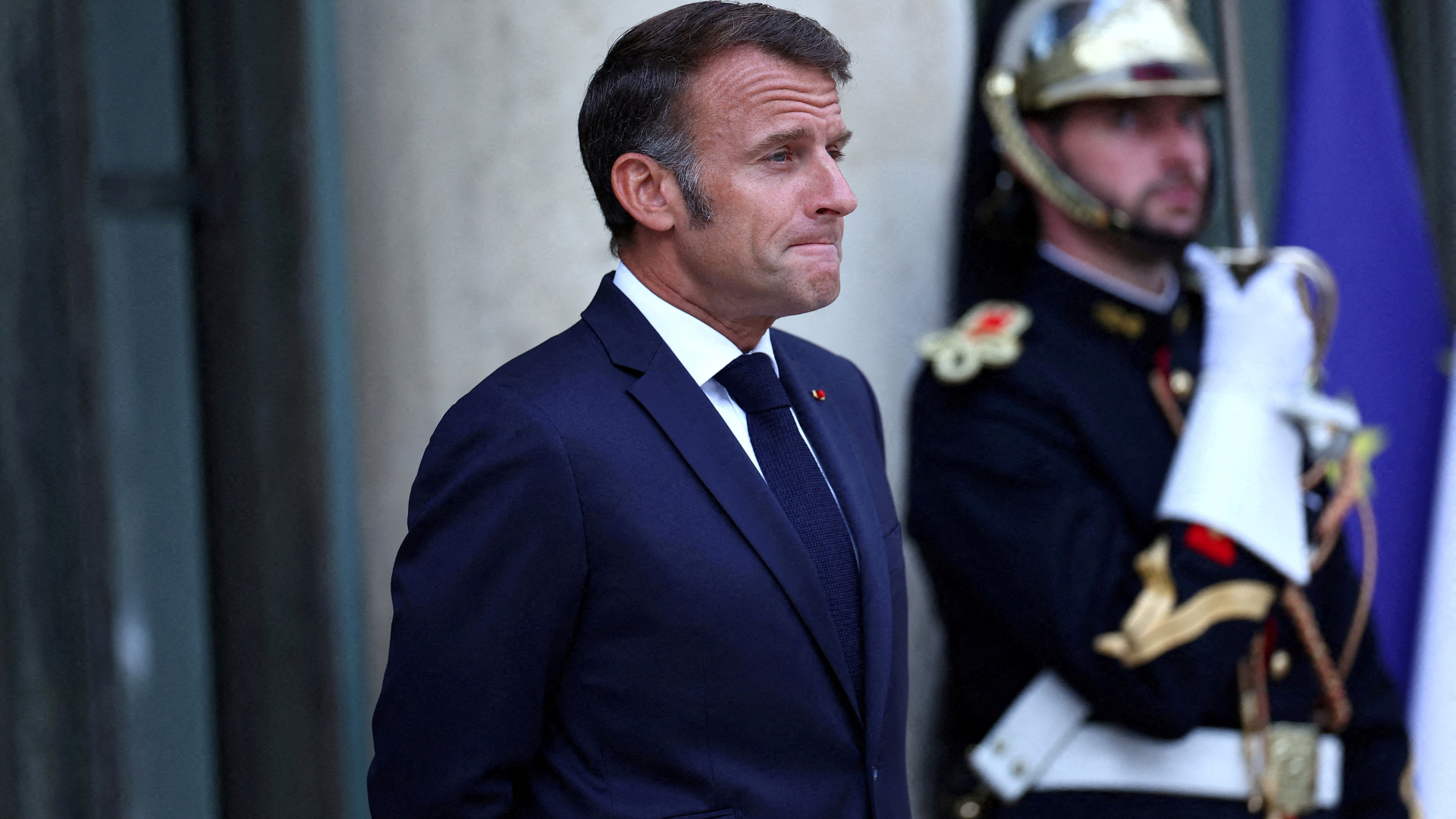
France's President Emmanuel Macron has to choose yet another prime minister. /Abdul Saboor/Reuters
France has once again been plunged into political uncertainty following the ousting of François Bayrou, the fourth prime minister to leave the office in two years.
Three hundred and sixty four lawmakers voted to remove Bayrou over his plans to slash the French budget by $50 billion and eliminate two public paid holidays, with only 194 supporting him after just nine months in power.
France is under pressure to lower a deficit that stands at nearly double the European Union's 3 percent ceiling, and a debt pile equivalent to 114 percent of GDP.
President Emmanuel Macron is now faced with picking the seventh prime minister since his election in 2017 – and trying to steer France out of this crisis.
How could this look?
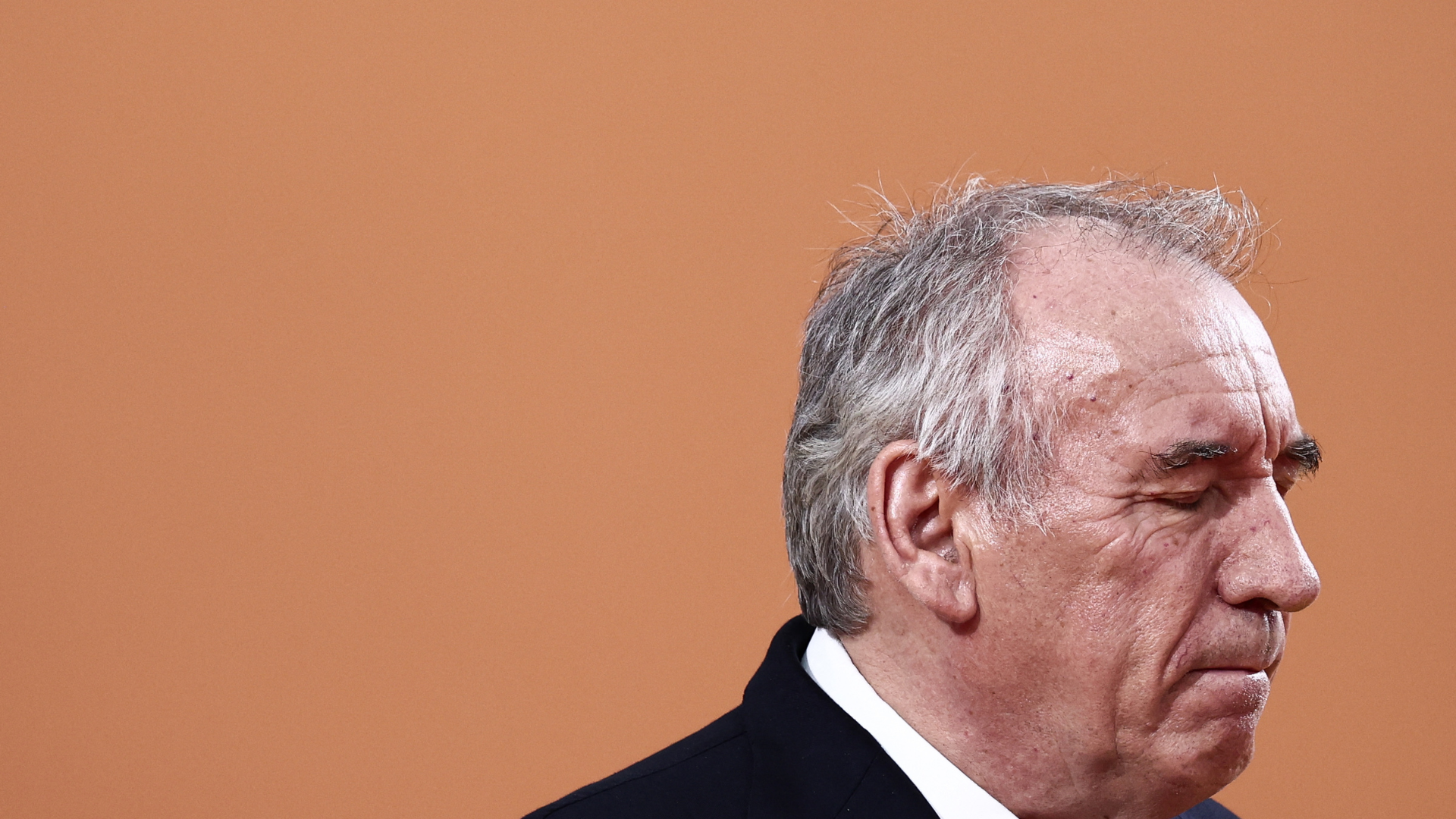
Francois Bayrou lost his confidence vote. /Thibaud Moritz/AFP
Snap election still on the horizon?
There had been speculation that Macron could call snap elections after Bayrou's resignation but the French presidency has already made clear he will appoint a new prime minister.
However, if that prime minister were to be ousted, then pressure would significantly mount on a president who must leave office in 2027, when his second consecutive term ends.
The president's opponents have criticized the decision. Calling an election is "not an option but an obligation" for Macron, said French far-right figurehead Marine Le Pen, whose party could make gains.
Another snap election could further weaken Macron, likely resulting in further fragmentation in parliament, as seen in last year's vote.
After Bayrou's predecessor Michel Barnier was ousted in a no confidence vote in December, "if a third PM falls within a year, Macron will have little choice but to call a new legislative election", Eurasia Group, a political risk consultancy has said.
Far-left former presidential candidate Jean-Luc Melenchon Monday called on Macron to "go as well himself". But the president has vowed to serve his term out until 2027.
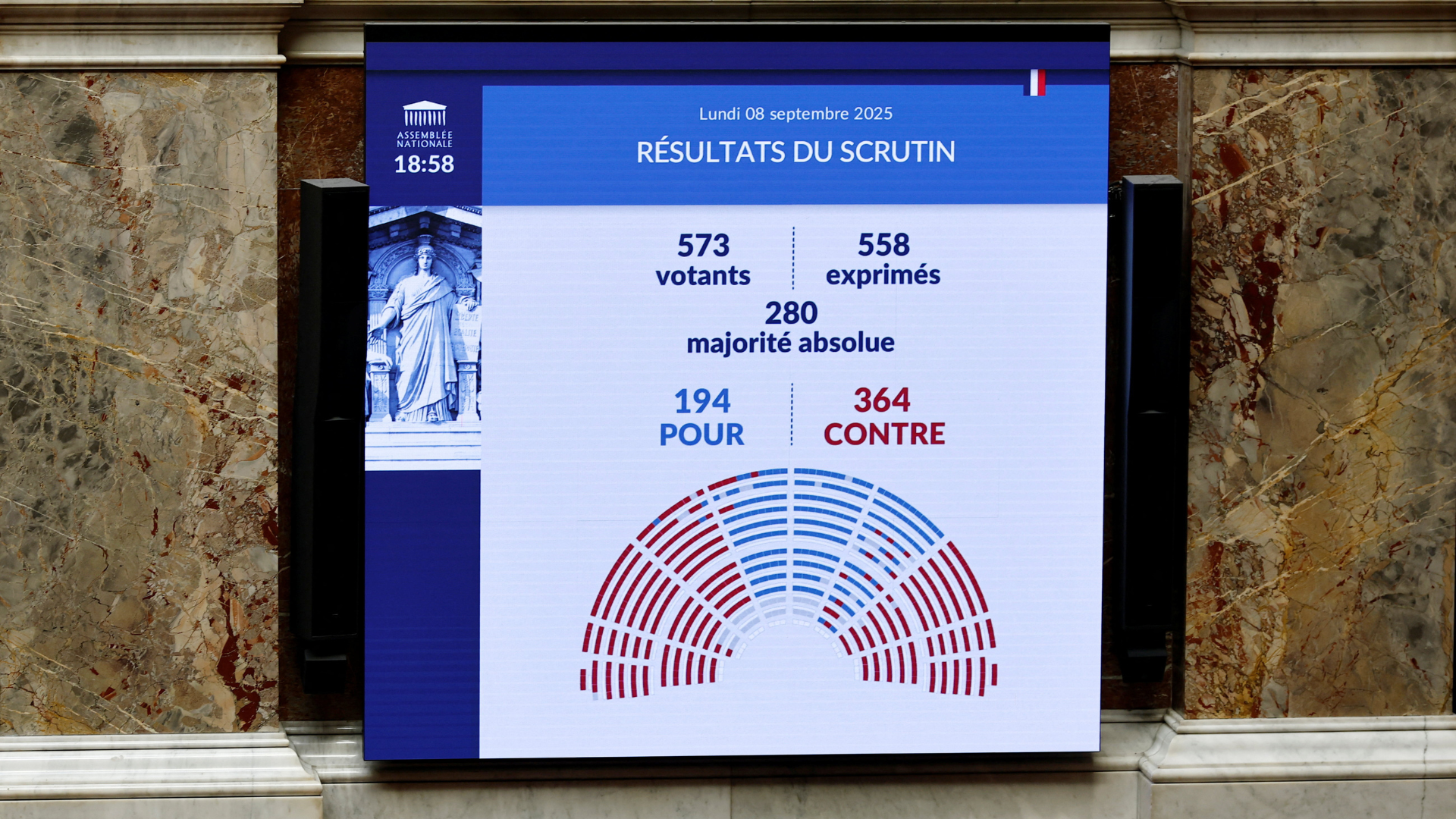
The result of a confidence vote after French Prime Minister Francois Bayrou failed to secure a majority. /Benoit Tessier/Reuters
A new prime minister – allies or compromise candidates?
It has been made clear that Macron will choose a new prime minister in the "next few days", but it is doubtful that the new leader will prove to be any more successful than Bayrou in forcing through the tens of billions of euros of budget cuts needed to save the EU's second-biggest economy from a ballooning debt crisis.
But as Macron faces a national shut down on September 10 and trade union strike on September 18, who could he choose?
A first option could be within Macron's comfort zone. French media has reported that Justice Minister Gerald Darmanin, Defense Minister Sebastien Lecornu or Health Minister Catherine Vautrin could be potential candidates for the role. All of them are among Macron's closest allies and could face the most scrutiny.
A second option is a compromise candidate, one which could help to settle political uncertainty. They would be a politician who is aligned with the left but not part of the Socialist Party – and who could also be acceptable to Macron's centrist bloc.
Such figures could include Raphael Glucksmann, who leads his own progressive left-wing movement, or Bernard Cazeneuve, a former prime minister and one-time member of the Socialist Party.
But also seen as a viable contender is Finance Minister Eric Lombard, an ex-banking boss but also a former Socialist Party member.
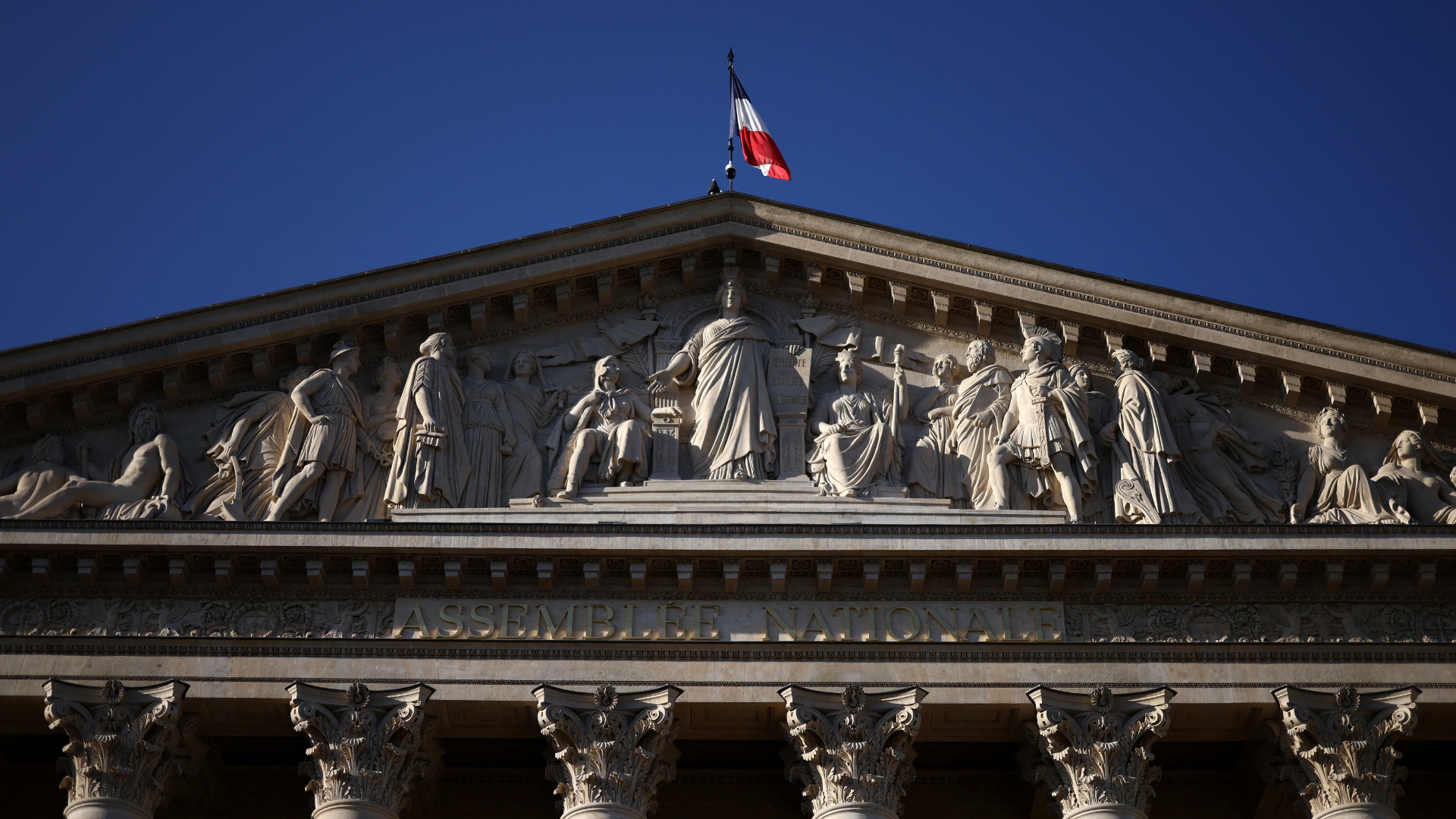
The National Assembly in Paris, the day after parliament voted to bring down the government. /Tom Nicholson/Reuters
Could 'cohabitation' be Macron's only option?
Another possibility is "cohabitation", a rare constitutional arrangement where the president shares power with a prime minister from a rival political faction.
The most obvious such option would be Socialist leader Olivier Faure who has made no secret of his interest in the position.
But he may also find his government at the mercy of the right, with no faction able to muster a majority in what is a hung parliament.
Search Trends
SITEMAP
Copyright © 2023 CGTN. 京ICP备16065310号

Disinformation report hotline: 010-85061466
SITEMAP
Copyright © 2023 CGTN. 京ICP备16065310号
Disinformation report hotline: 010-85061466