 Europe;Europe
Share







Copied
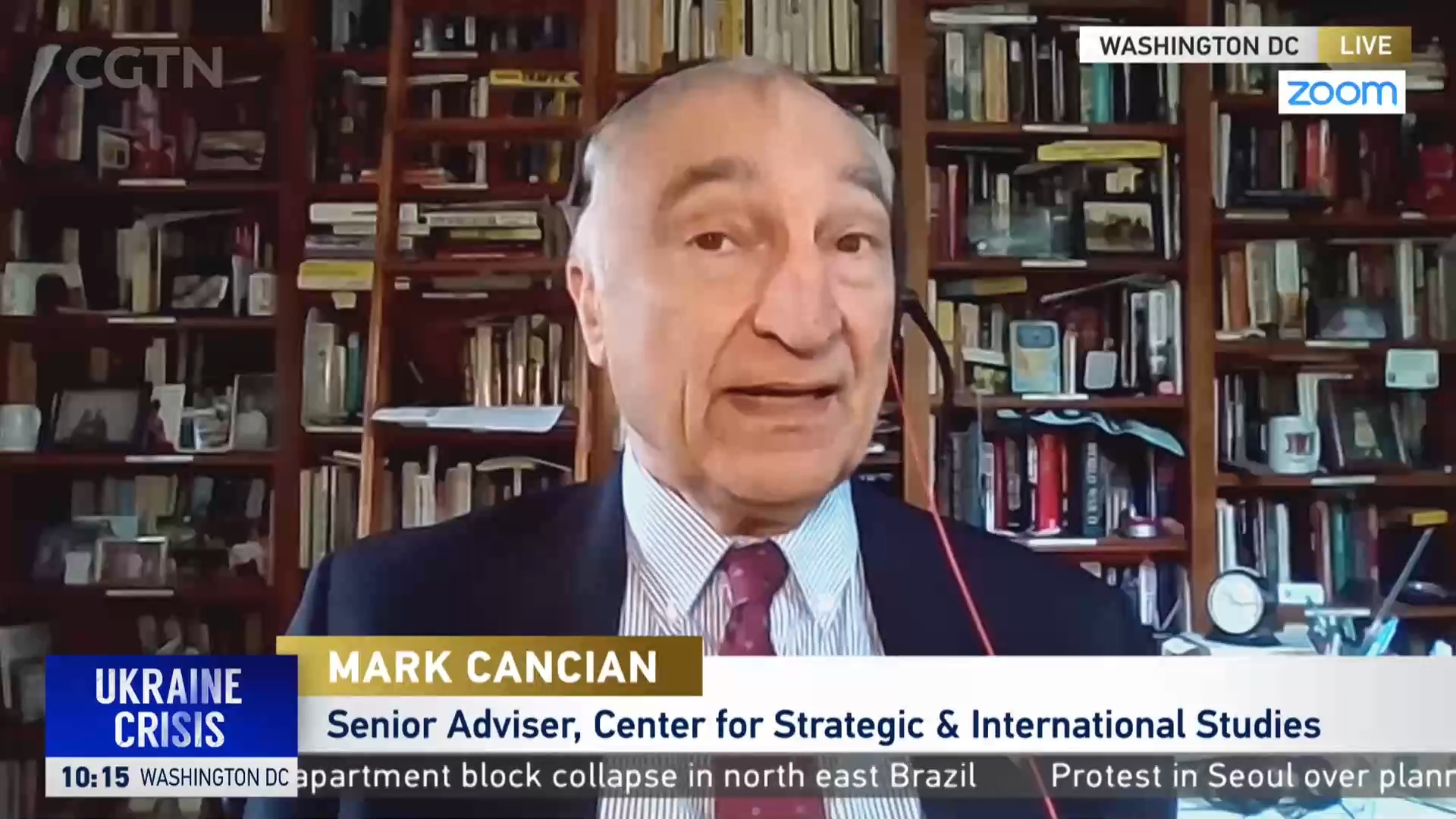
Cluster bombs are "very good" against infantry, artillery and vehicle columns, and could help to speed up of the Ukrainian counter offensive but won't be a "game changer," said a former US colonel and political advisor.
The United States said on Friday that it would provide Ukraine with widely banned cluster munitions as part of an $800 million security package, in a move that has been blasted by humanitarian groups.
And U.S. allies including the UK and Canada have discouraged the use of weapons that can cause a long standing threat as they leave behind unexploded bomblets.
Retired U.S. Marine colonel and senior adviser at Washington’s Center for Strategic and International Studies, Mark Cancian, believes the new arms could help speed up Ukraine’s counter offensive that has been going slower than they had hoped - but warned that it won’t be a "game changer."
He said: "The United States is going to send artillery shells with cluster munitions. Cluster munitions are bomblets that are dispensed from a shell. They are dispensed in the air, they fall on the ground and they have a much wider pattern of explosion and effect.
"They're very good against infantry, against artillery and against vehicle columns. The problem is dud rates because they produce duds, those can endanger civilians during the war and after."
Asked by CGTN why the U.S. is sending them he replied: "Effectiveness is one, the Ukrainians, of course, have launched their counter offensive. The counter offensive is still making progress but is slower than expected and this might help them move more quickly.
"But also, the United States has made the point that the Ukrainians have asked for these and they've expressed their willingness to use these munitions on their own territory to defend their own people."
He continued: "They've weighed the risks and it would be presumptuous of the United States to say that it knows better for what's good for the Ukrainian people than their elected representatives. There's also a political element that is the pressure from both Zelenskyy and the Ukrainians - and from the U.S. Congress that has pushed the administration to provide the weapons."
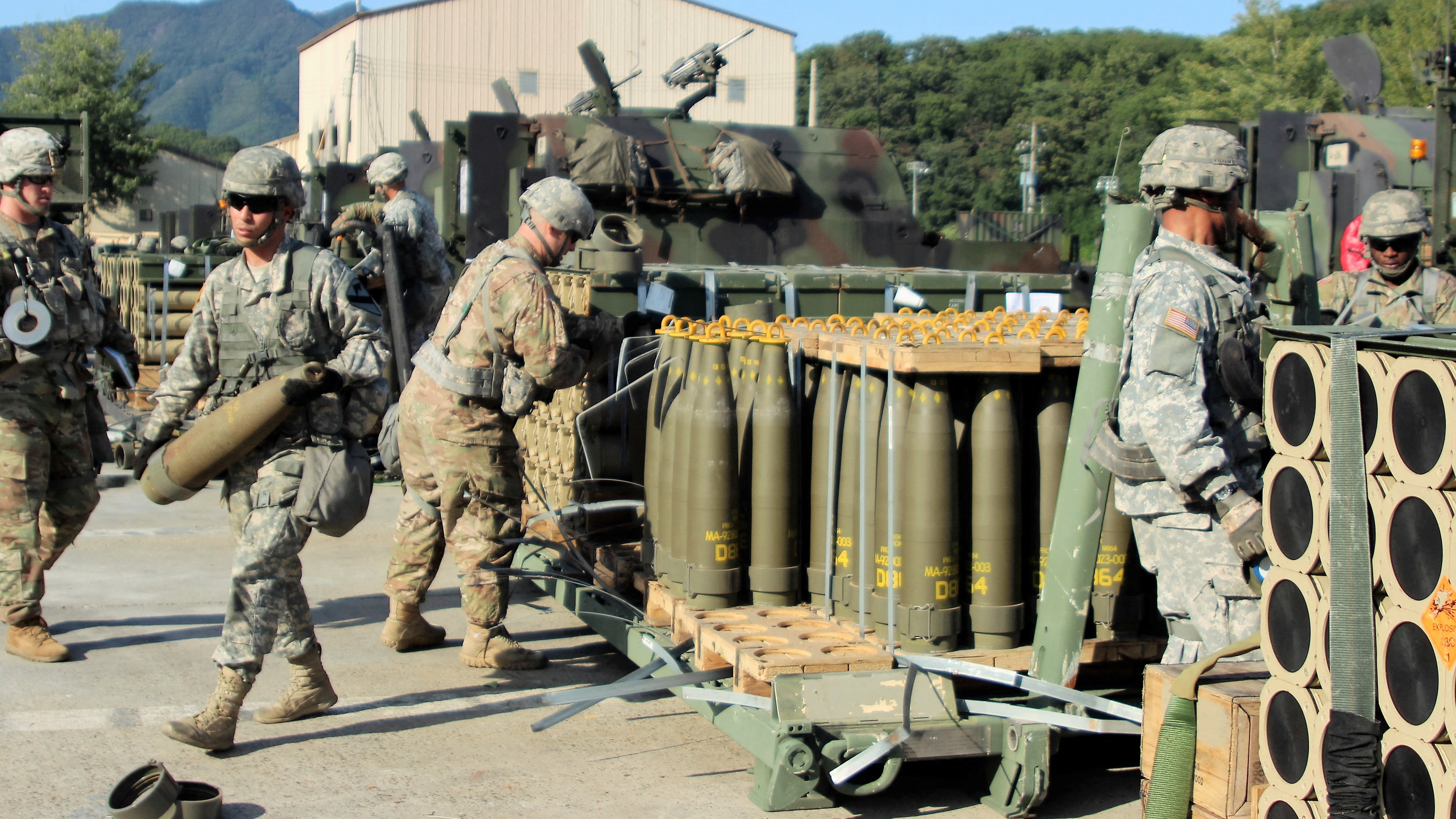
U.S. Army soldiers draw 155mm Base Burn Dual Purpose Improved Conventional Munition (DPICM) rounds. U.S. Army/ 2nd Lt. Gabriel Jenko/ Reuters
Cancian said that the cluster munitions can only play a part in the Ukrainian's counter offensive which he believes is slower than expected although it is "still going forward".
He added: "I think that's come to a head now because of the Ukrainian counter-offensive. The Ukrainians are looking for new tools to maybe make the offensive move more quickly. The cluster munitions are very effective for certain kinds of targets. They will help the Ukrainian military, they are not a game changer.
"There's no such thing as a game changer. There's no weapon or ammunition we can give the Ukrainians that would produce victory. Victory will come from the combination of weapons and munitions that the U.S., NATO and others have provided, the training that the Ukrainians are getting and the determination of the Ukrainian people."
READ MORE
Twitter threatens Meta with legal action
Sweden charges climate activist Greta Thunberg
AI to predict extreme weather events
Cancian said the the counter offensive was still making progress, but that it was slow. He said: "Many observers and the Ukrainians themselves had hoped that by this time the Ukrainian forces would have broken through the Russian defensive belts and got into the less defended areas beyond that. But the Ukrainian offensive is not culminated to use a U.S. military term, that is, it has not run out of steam, it's still going forward but the progress has not been as great as hoped."
Criticism of cluster munitions centers around the so called dud rate which is the number of unexploded bomblets which act like land mines and can remain for years as a threat. Cancian pointed out that the dud rate for the U.S. cluster munitions is a lot lower than that for the Russian bombs.
"Well, the duds act like landmines and can be very dangerous. The U.S. has a rate of about two percent, but a lot depends on the terrain. The Russians have a dud rate up to 40 percent and they're producing a lot of duds. But the United States tried to get the great under 1 percent and wasn't able to do it for technical reasons," added Cancian.

Subscribe to Storyboard: A weekly newsletter bringing you the best of CGTN every Friday
Search Trends
SITEMAP
Copyright © 2023 CGTN. 京ICP备16065310号

Disinformation report hotline: 010-85061466
SITEMAP
Copyright © 2023 CGTN. 京ICP备16065310号
Disinformation report hotline: 010-85061466