 Europe;EU
Share







Copied
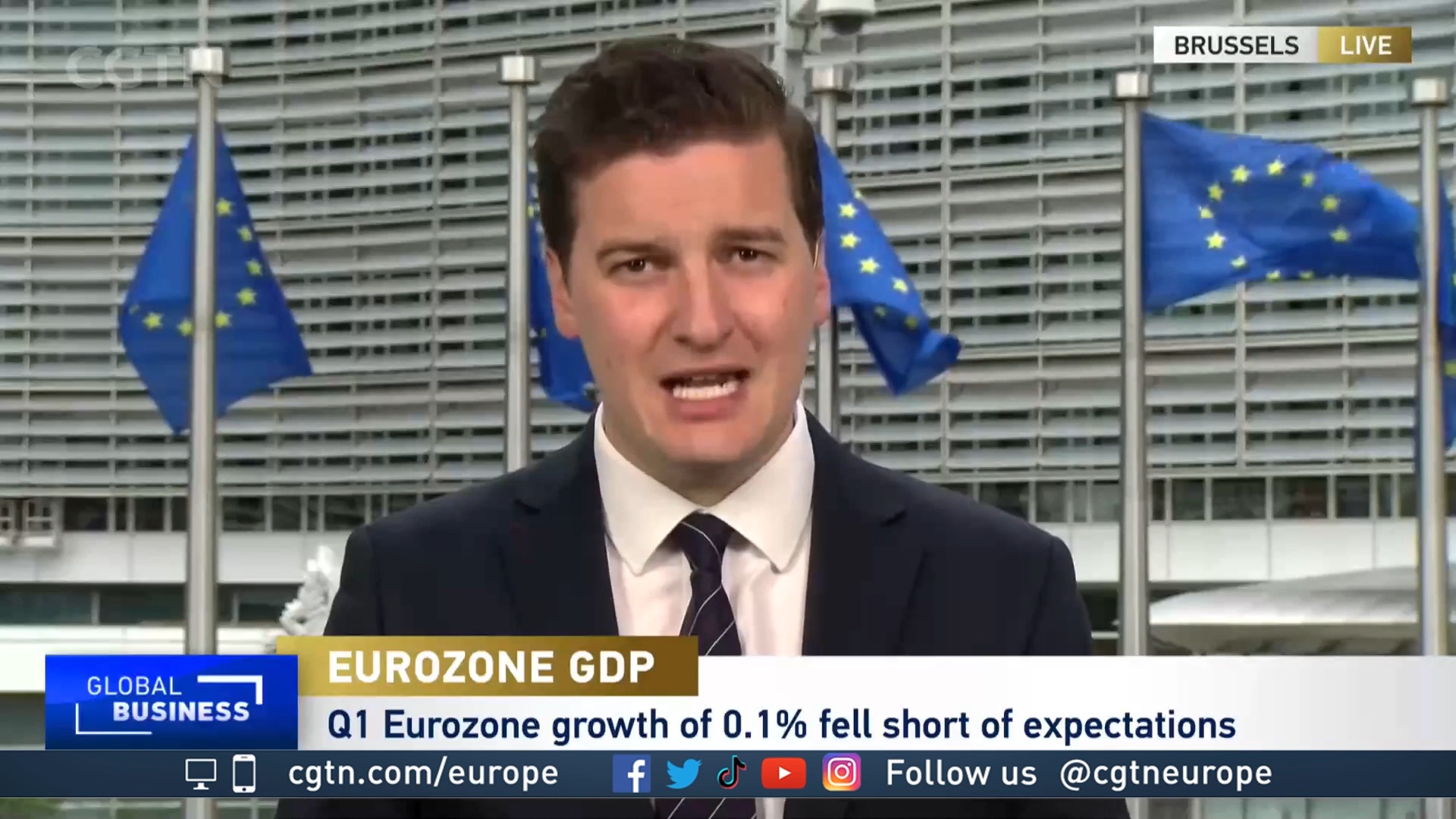
The euro area's economy grew by 0.1 percent in the first quarter of 2023, following another quarter of 0.1 percent at the end of last year.
Despite minimal growth, the bloc avoided a predicted technical recession. Economists had foreseen that the Eurozone's economy would shrink in the last quarter of 2022 and first quarter of 2023, plunging the region into recession.
Europe's economies have been struggling with persistently high inflation, which hit a record 10.6 percent in October 2022, primarily driven by skyrocketing energy prices as a result of Russia's attack on Ukraine.
READ MORE
Why Bulgaria's population has shrunk by 11%
While inflation levels have decreased in recent months, they remain high, hitting 6.9 percent in March.
Looking at individual member states shows a varied picture across the EU, Germany's economy stagnated in the first quarter of this year, with the bloc's other big economy, France, seeing a 0.2 percent increase. Spain, Italy and Belgium all enjoyed growth in the same quarter.
Ireland meanwhile, saw the largest GDP drop, with negative growth of -2.7 percent. This compared to Portugal's 1.6 percent growth, making it the bloc's best performing economy.
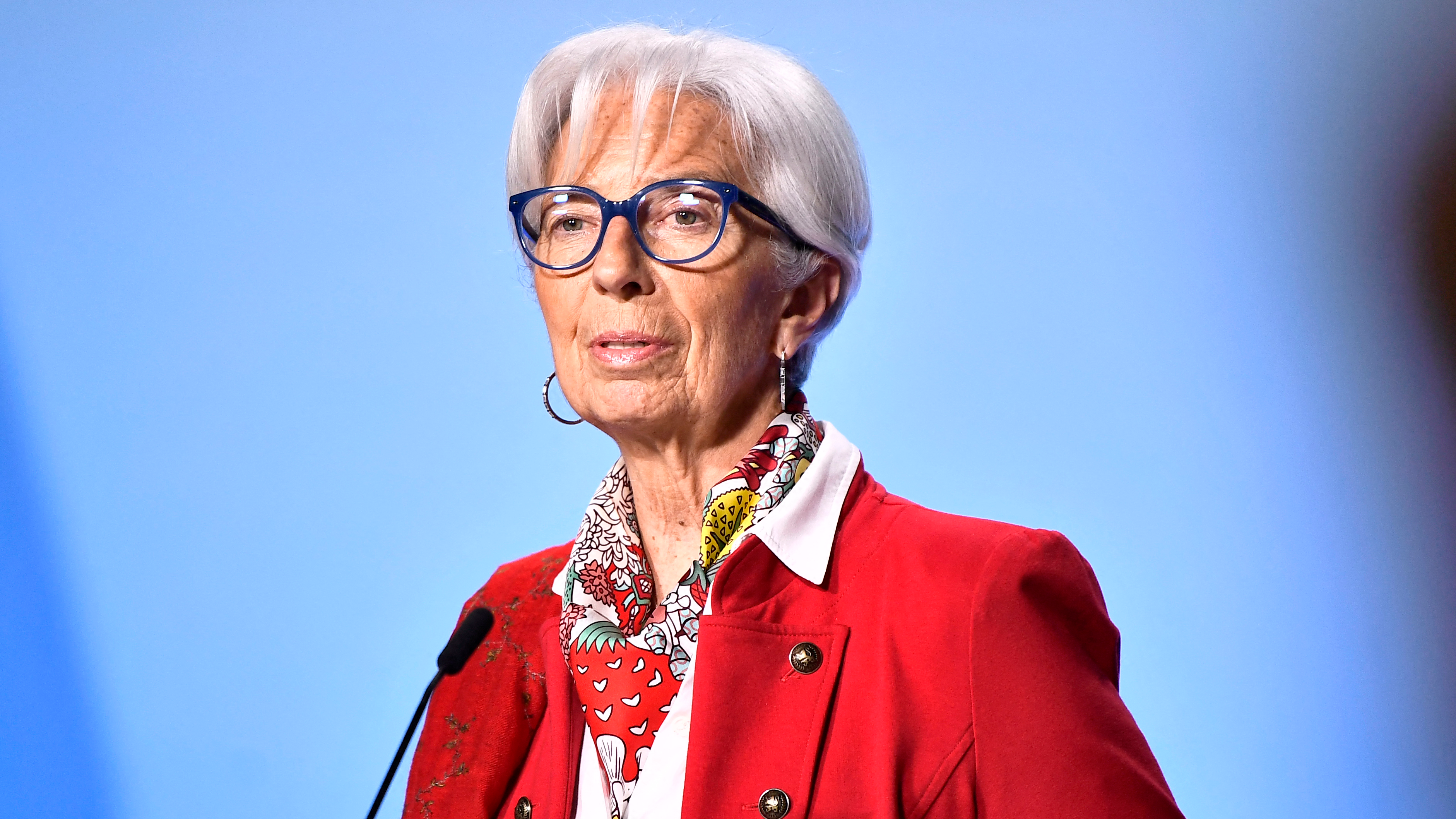
European Central Bank President Christine Lagarde won't say how she will respond to inflationary pressures across Europe. /Caisa Rasmussen/TT News Agency/AFP
Sluggish economic growth paired with persistently high inflation means all eyes are on the European Central Bank's interest rates decision on May 4th.
ECB President Christine Lagarde gave nothing away at a press conference alongside EU finance ministers on Tuesday: "You should not expect me to say anything about the macro economic and financial developments, nor anything about the monetary policy decision that we will take on Thursday, I can't do that and if you ask me, I'll say, 'Terribly sorry'."
Nevertheless, the bank is widely expected to raise interest rates by 0.25 percent, slower than the 0.5 percent hike seen in previous months, in the hopes of dealing a final and fatal blow to stubborn inflationary pressures in Europe.
Subscribe to Storyboard: A weekly newsletter bringing you the best of CGTN every Friday
Search Trends
SITEMAP
Copyright © 2023 CGTN. 京ICP备16065310号

Disinformation report hotline: 010-85061466
SITEMAP
Copyright © 2023 CGTN. 京ICP备16065310号
Disinformation report hotline: 010-85061466