- Home
- China
- World
- Asia-Pacific
- Americas
- Europe
- Middle-East and Africa
- Politics
- Business
- Opinions
- Tech & Sci
- Culture
- Sports
- Travel
- Nature
- Picture
- Video
- Live
- TV
- Radio
- Specials
- Learn Chinese


Share







Copied

Protesters hold banners reading 'Together against crisis, state and capital' near a Ferrari while protesting the World Economic Forum. /Arnd Wiegmann/Reuters
As the cost of essentials rises faster than it has in decades, billionaires in the food and energy sectors are increasing their fortunes by $1 billion every two days, according to a report from anti-poverty charity Oxfam released on the opening day of the World Economic Forum (WEF).
Published as top policy-makers and industry chiefs – or as Oxfam calls them, "the global elite" – arrive in the Swiss town of Davos, the report found that 573 people have become billionaires since 2020.
Concurrently, the organization said it expected in 2022 that 263 million more people will fall into extreme poverty, at a rate of a million people every 33 hours.
READ MORE
McDonald's leaves Russia for good
"Billionaires are arriving in Davos to celebrate an incredible surge in their fortunes. The pandemic and now the steep increases in food and energy prices have, simply put, been a bonanza for them," said Gabriela Bucher, Executive Director of Oxfam International.
"Meanwhile, decades of progress on extreme poverty are now in reverse and millions of people are facing impossible rises in the cost of simply staying alive," she added.
More billionaires means more poverty
According to the report, the wealth of billionaires rose more in the first 24 months of COVID-19 than in 23 years combined. The total wealth of the world's billionaires, it says, is now equivalent to nearly 14 percent of global GDP – a three-fold increase on 2000.
To put it another way, the world's 10 richest men now own more wealth than the bottom 40 percent of humanity, 3.1 billion people, with the richest 20 worth more than the entire GDP of Sub-Saharan Africa.
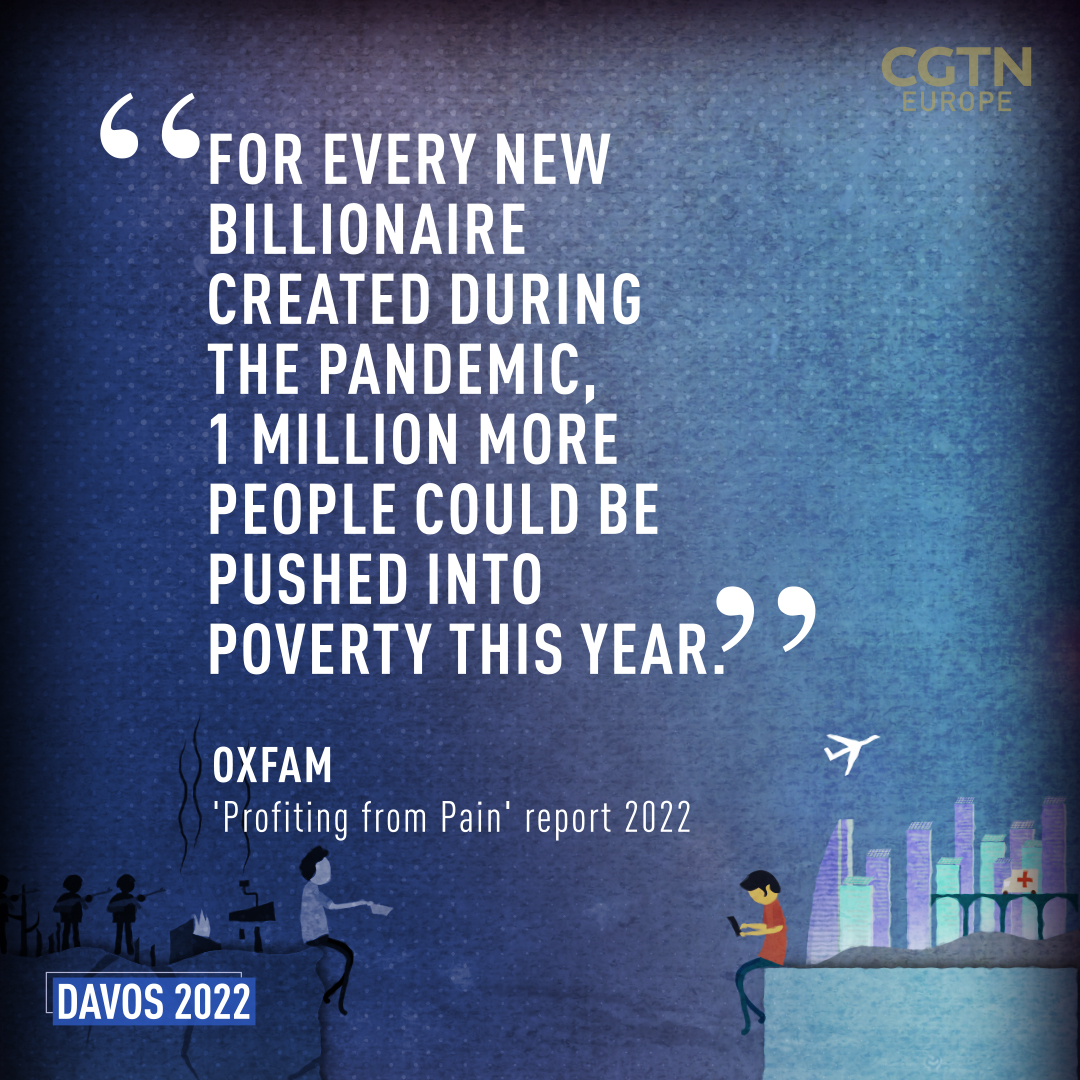
"Billionaires' fortunes have not increased because they are now smarter or working harder. Workers are working harder, for less pay and in worse conditions," said Bucher.
She added that "the super-rich" had "rigged the system with impunity" for decades and were now reaping the benefits.
"They have seized a shocking amount of the world's wealth as a result of privatization and monopolies, gutting regulation and workers' rights while stashing their cash in tax havens — all with the complicity of governments," said Bucher.
"Meanwhile, millions of others are skipping meals, turning off the heating, falling behind on bills and wondering what they can possibly do next to survive."
Such "grotesque" inequality was "breaking the bonds" that hold humanity together, she said: "It is divisive, corrosive and dangerous. This is inequality that literally kills."
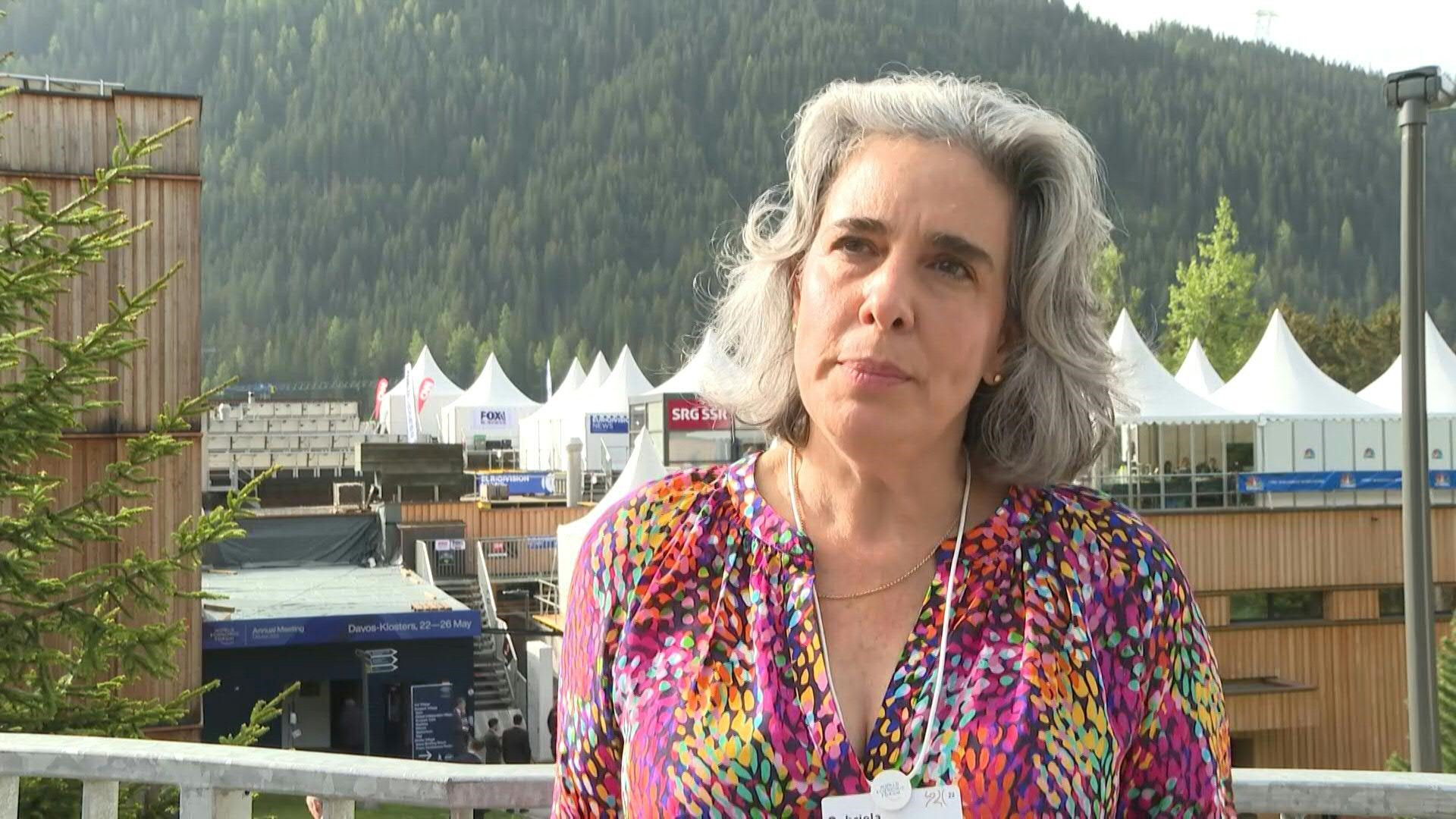
Executive Director of Oxfam International Gabriela Bucher accused the super-rich of exploiting the less fortunate amid the pandemic. /Andrea Bernardi/AFP
Time to tax record profits
Oxfam's new research also shows that corporations in the energy, food and pharmaceutical sectors are taking in record-high profits, while wages have barely moved and workers struggle with decades-high prices.
According to the report, five of the largest energy companies – BP, Shell, TotalEnergies, Exxon and Chevron – together make $2,600 profit every second, while there are now 62 new food billionaires.
It adds that the pandemic had created 40 new pharma billionaires. Bucher accused the rich and powerful of profiting from "pain and suffering."
"This is unconscionable," she said. "Some have grown rich by denying billions of people access to vaccines, others by exploiting rising food and energy prices. They are paying out massive bonuses and dividends while paying as little tax as possible."
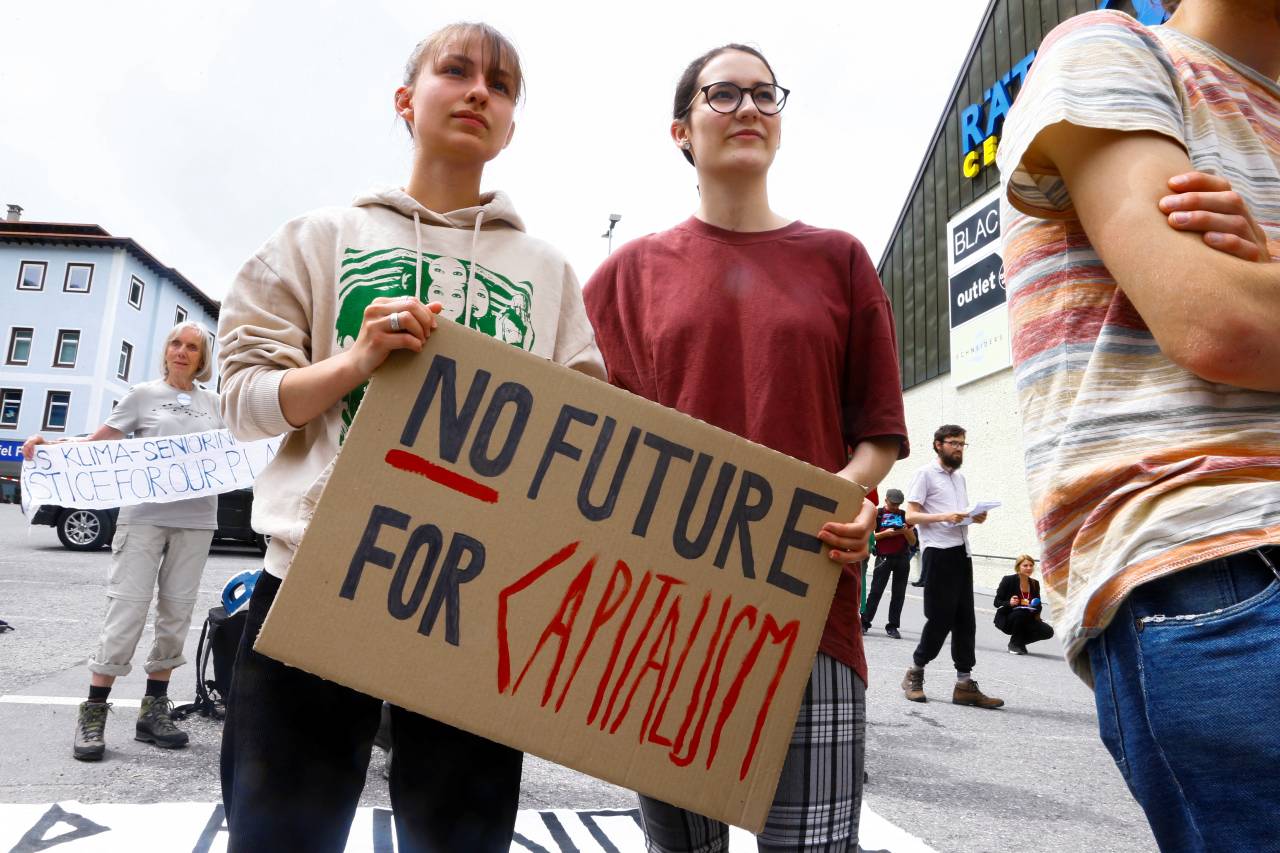
People display posters and banners to protest against the World Economic Forum in the Swiss Alpine resort of Davos, Switzerland May 22, 2022. Reuters/Arnd Wiegmann
"This rising wealth and rising poverty are two sides of the same coin, proof that our economic system is functioning exactly how the rich and powerful designed it to do."
Oxfam recommended that governments urgently introduce a one-off solidarity tax on billionaires' pandemic windfalls to fund support for people facing rising food and energy costs, citing the success of Argentina's similar policy.
It also suggested ending "crisis profiteering" by introducing a temporary excess profit tax of 90 percent to balance out the windfall profits of big corporations.
Finally it called for a permanent wealth tax to tackle extreme wealth and monopoly power, as well as the outsized carbon emissions of the super-rich. It said such a wealth tax could generate $2.52 trillion a year —enough to lift 2.3 billion people out of poverty, make enough vaccines for the world, and deliver universal healthcare and social protection for everyone living in low- and lower middle-income countries.
