- Home
- China
- World
- Asia-Pacific
- Americas
- Europe
- Middle-East and Africa
- Politics
- Business
- Opinions
- Tech & Sci
- Culture
- Sports
- Travel
- Nature
- Picture
- Video
- Live
- TV
- Specials
- Learn Chinese


Share






Copied
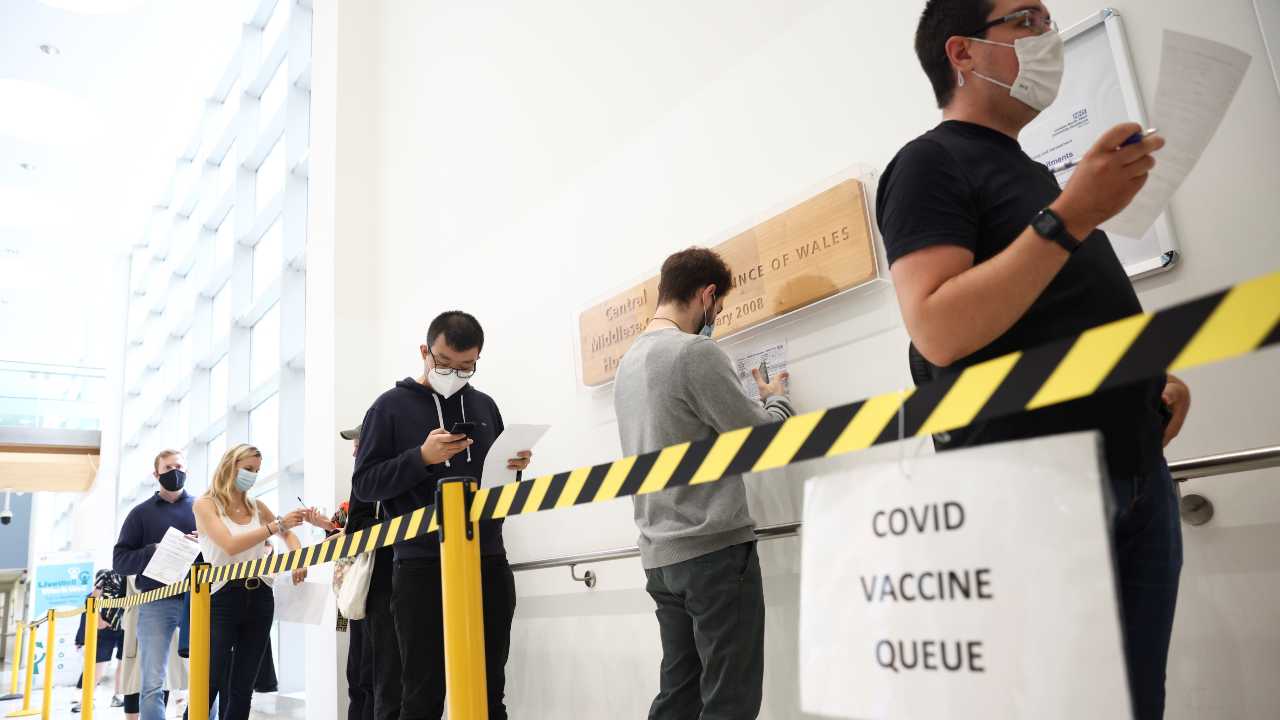
Most people choose to get vaccinated against COVID-19 without needing incentives, beyond the potential health benefits. /Reuters
What is the best way to persuade people to take up the offer of a COVID-19 vaccination?
That is the question governments – at least in countries lucky enough to have a plentiful supply of jabs – have been pondering as they seek to get enough of their population vaccinated to reach the "herd immunity" level they hope will bring an end to infections.
In the UK, for instance, more than 90 percent of all the older age groups, from 65 upwards, have had their vaccinations.
But the figures for younger people are not yet as impressive, with some of the younger age groups remaining below the 70 percent mark even for first jabs.
With younger people either seeing themselves at less risk of serious illness from COVID-19, or maybe thinking they have already had the illness, different countries have come up with creative ways to try to entice more people to get vaccinated.
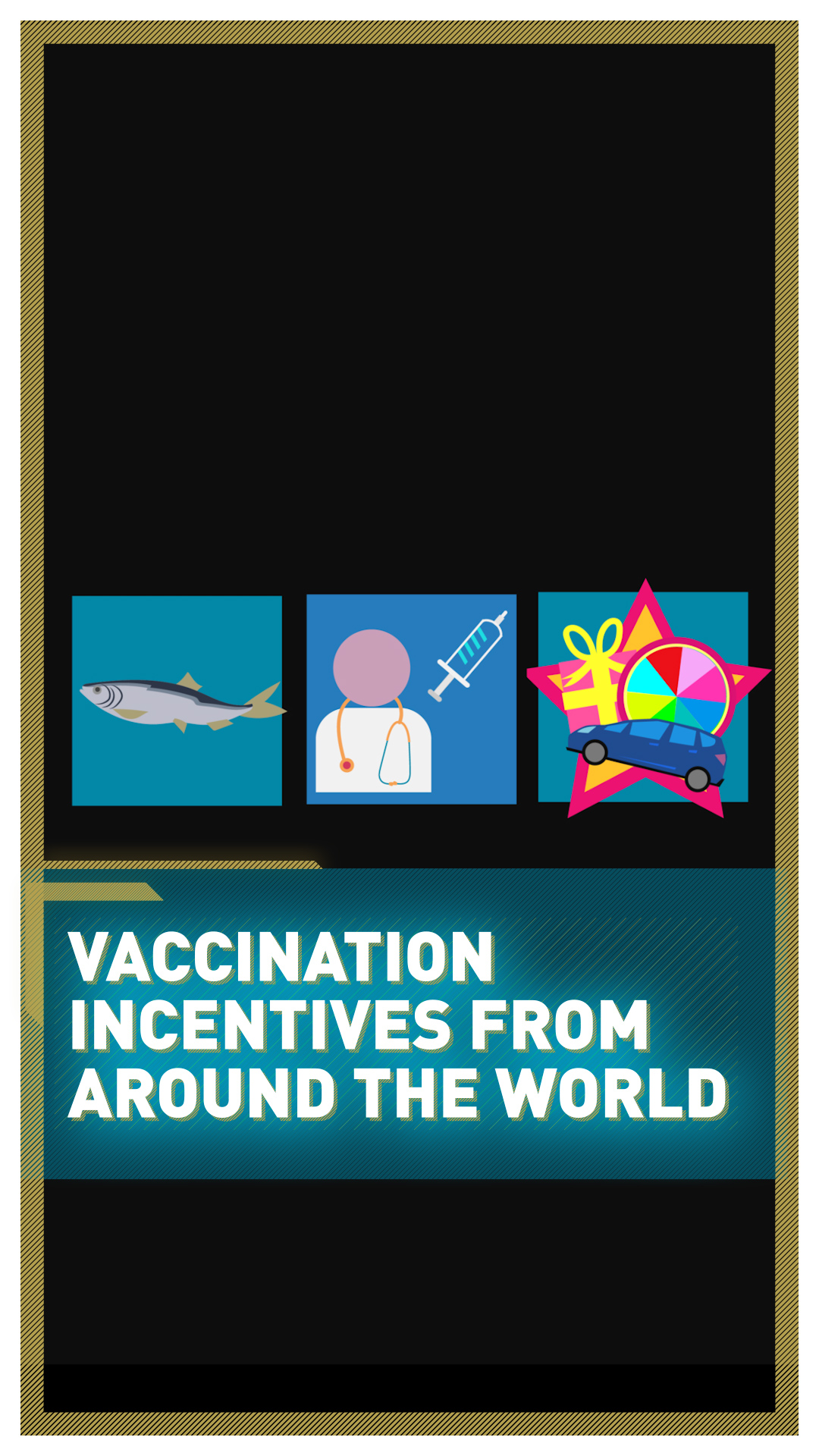
In Moscow there was a lottery with big prizes, including a car, for people who had the jab. In other countries there were cash-equivalent vouchers for people aged under 25 who got the jab, while cannabis and herring were more unusual incentives offered:
The UK government announced at the weekend that firms including Uber, Bolt, Deliveroo and Pizza Pilgrims had signed up to offer discounts and incentives to customers who have had their vaccinations.
Now a study, published on the MedRxiv site, which is yet to be peer reviewed, has tested the various options for vaccine incentives.
The study, by academics from Oxford University, Queensland University of Technology and Vienna University of Economics and Business, was conducted in the U.S.. Participants were shown a 45-second video – either of the health benefits of vaccination or about being entered into a lottery or getting cash equivalent vouchers.
The results showed:
- 22 percent of people who saw the video about getting cash-equivalent vouchers immediately wanted information on where to get vaccinated.
- 16 percent of people who saw the health information video wanted information on where to get vaccinated.
- 14 percent of people who saw the video about being entered into a lottery wanted information on where to get vaccinated.
The study concluded that "these results support greater use of cash vouchers to promote COVID-19 vaccine uptake and do not support the use of lottery incentives."
