- Home
- China
- World
- Europe
- Politics
- Business
- Opinions
- Tech & Sci
- Culture
- Sports
- Travel
- Nature
- Picture
- Video
- Live
- TV
- Specials


Share






Copied
"China and the US have agreed to hold talks over the phone in the coming days to evaluate progress of the phase one trade deal."
Gao Feng, the spokesperson for China's Ministry of Commerce, has confirmed that trade talks between the two powers are set to continue with the two countries set to evaluate the progress of their phase-one economic and trade agreement.
But as with many Trump administration policies there was confusing rhetoric coming out of the White House.
"I postponed talks with China. You know why? I don't want to deal with them now," Trump had told reporters on Tuesday. But White House officials later clarified that the statement was a general reference and was not specifically aimed at economic and trade agreement.
The continuing of trade talks could provide a much needed boost in European and Asian stock markets that slid on following news that U.S. The Federal Reserve wasn't keen on using further policies measures to help lift the country's economy, indicated in the release of the minutes from their July meeting.
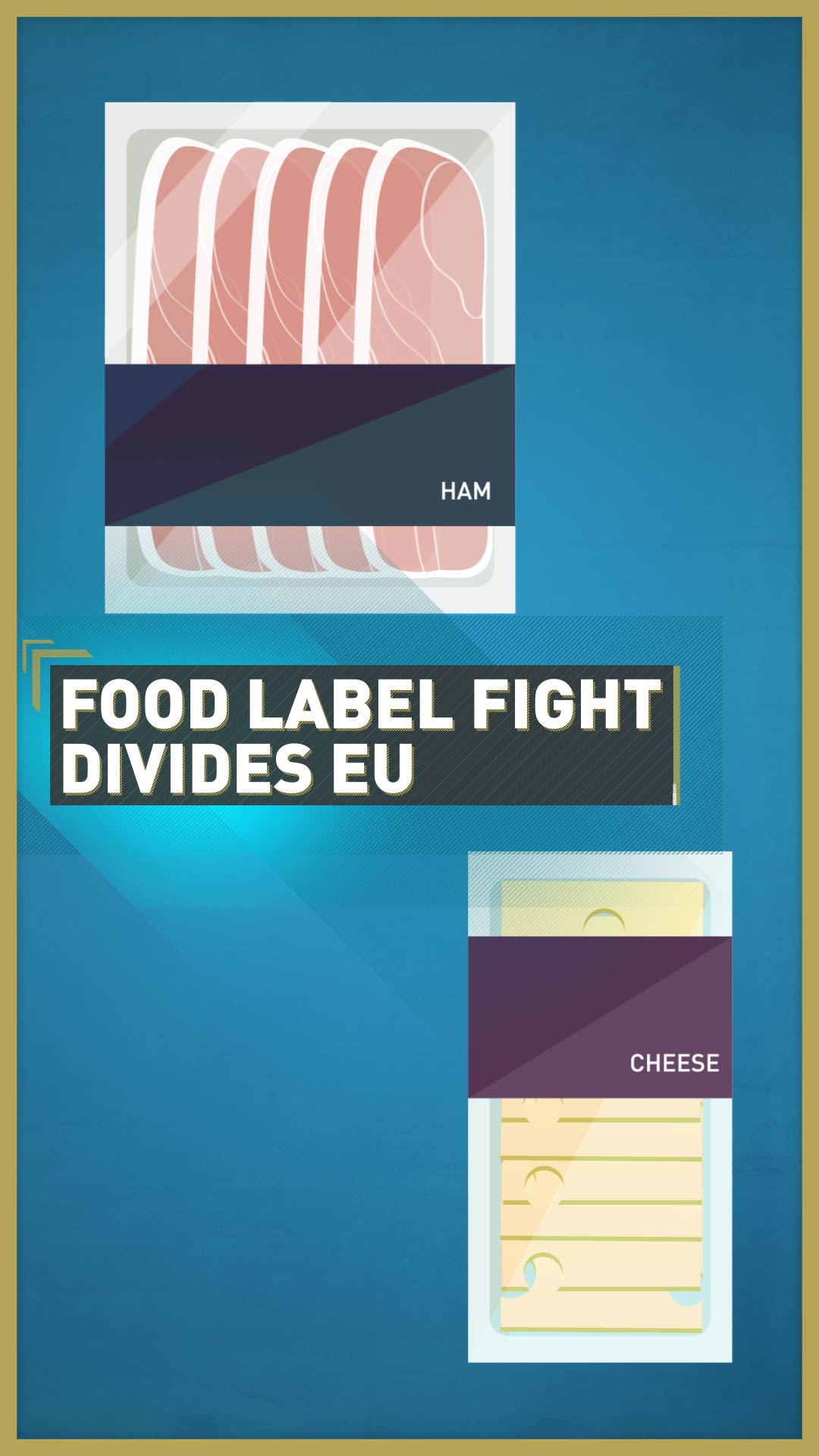
Beyond that we have a video explaining a growing conflict within the EU over food labelling. As a part of their 'Farm to Fork Strategy' the bloc is hoping to standardise food labels across member nations. Italy has put forward a new system amid worries the French-designed labels would 'downgrade' much of their most famous food exports. Scroll down to find out more.
Enjoy reading,
Daniel Harries
Digital correspondent
P.S. Did you know we send this briefing by email, too? Sign up here
Australia's national airline Qantas reported its worst financial result in a century, $2.8 billion in losses in the second half of the 2020 financial year due to the crippling effects of COVID-19.
General Electric says it has signed two new agreements, valued at over $1.2 billion, with the Iraqi Ministry of Electricity, to undertake maintenance programs across the country's key power plants and bolster its transmission network.
Facebook has won preliminary approval from a federal court for settlement of a lawsuit that claimed it illegally collected and stored biometric data of millions of users without their consent.
German online fashion retailer Zalando pledged to use more brands linked to black and other minority ethnic groups as part of a drive to fight discrimination and increase diversity after an investigation into allegations of racism.
Scandal-hit Wirecard will be replaced by a developer of laser systems LPKF Laser & Electronics AG on Germany's blue chip TecDAX index, a list of the 30 largest public technology companies in the country.
Apple has become the first U.S. company to boast a market value of $2 trillion. The iPhone maker reached the milestone in Wednesday's early stock market trading when its shares surpassed $467.77.
Ryanair's Spanish pilots accepted a 20 percent pay cut and work practice changes, the latest deal the Irish airline has struck with trade unions in exchange for a pledge to minimise job losses.
Alibaba beat quarterly revenue and profit estimates, as its core commerce and cloud computing businesses continued to grow following China's emergence from the coronavirus lockdown.
Threatened by a French food labelling system that marks fatty, salty products with a red sign, Italy is promoting its own labels intended to defend its produce against being 'downgraded,' a prospect which could have a dire impact on the country's famed food exports.
Following the surprise news that the UK inflation rose by 1 percent in July only, up from 0.6 percent in June, CGTN Europe spoke to Jasmine Birtles, the founder and editor of Moneymagpie, on the implications of the jump.
Where did this rise in inflation come from?
Yes. We're not used to it over there after the last few months. But as you remember, oil slumped right at the beginning of lockdown. And in the last month or so, it has picked up some steam. So that's the main driver of this sudden jump in inflation. Also, increased costs that hairdressers and psychiatrists and also dentists have had - and physiotherapists - and to an extent, restaurants, they've all had to bring in extra, more expensive things to comply with social distancing. So that's putting the prices of those sorts of elements up.
The economists and politicians, no doubt, will be poring over the fine detail for some time. What does this mean for ordinary consumers?
Well, the thing about the inflation figure is that it always looks back. So it's looking back on the last month or so. And so it kind of tells us what we already know, that petrol prices have gone up. The price of filling your tank has gone up. The price of going to the dentist has gone up a bit. So, for example, the RPI, the retail price index, which is one of the measures of inflation, the one that we're talking about at the moment, is the CPI. But the RPI has also gone up more, in fact, than the CPI. And that actually affects the price of train tickets later on. So that it may mean that our train tickets from 2021 will go up, although there's also talk of the RPI being scrapped. So it's not definite, but that is one worry at the moment.
Historically, governments don't like inflation. Where does this leave the Bank of England, can it increase interest rates?
Well, governments don't like inflation, but they like a bit of it. And actually, you know, just over 1 percent is not that much to bother about. And certainly with the economy being so weak at the moment, I think that the Bank of England won't touch interest rates. In fact, as far as I'm concerned, the only way is down. I mean, at the moment the interest rate is 0.1 percent. You wouldn't think that we could go any further down. But I think that for quite some time, probably the next six to 12 months, the Bank of England will not want to put interest rates up at all simply because the economy is so anaemic. It needs all the help it can get, which means it needs as much money washing through the system as it can. And if you put rates up, that stops people spending. So, no, I really don't think they'll touch it. If they do anything, it's going to be to push it down, possibly even into negative territory. You never know.
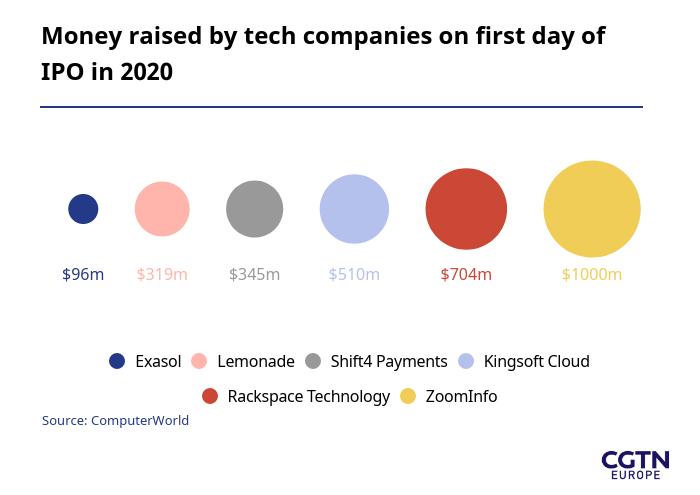
Amid reports that AirBnB has filed confidential paperwork for an Initial Public Offering (IPO) we've looked at how some other tech companies have fared launching IPOs in 2020 during the coronavirus crisis.