- Home
- China
- World
- Europe
- Politics
- Business
- Opinions
- Tech & Sci
- Culture
- Sports
- Travel
- Nature
- Picture
- Video
- Live
- TV
- Specials


Share







Copied
TOP HEADLINES:
- The EU has approved the use of the anti-viral drug, Remdesivir, for treating COVID-19 patients over the age of 12.
- People arriving in England from countries including France, Spain, Germany and Italy will no longer need to quarantine from 10 July. A list of countries no longer presenting an unacceptably high risk to British people traveling abroad has been published.
- British Airways, easyJet and Ryanair have dropped legal action over the 14-day quarantine requirements for travelers to the UK, following the list of exemptions published by the government.
- Italy and Greece will face EU infringement proceedings for breaching passengers' rights. Under EU rules, passengers are permitted a cash refund for canceled trips, but Italy and Greece have only offered vouchers.
- UK Prime Minister, Boris Johnson, is urging the public to "act responsibly" when England's bars and restaurants reopen on Saturday.
- Sweden has ordered a review of emergency supplies after its defense research agency uncovered a number of shortcomings in the country's response to the COVID-19 pandemic.
- A nursing home in Belgium has set up "hug curtains," which are plastic hanging sheets, so residents can safely hug visitors.
- Authorities in the Netherlands say that another mink farm has been infected with the novel coronavirus. In total, 18 farms have been affected and thousands of animals are to be culled.
- Staff in care homes in England are to receive weekly coronavirus tests from next week. Residents over 65 will be tested every 28 days. The new regime also applies to homes with younger people who have dementia.
- Spain is reopening its border to 12 non-EU countries from midnight. Morocco, Algeria and China will not be permitted entry, despite being on the EU's safe list, until the three countries let Spanish nationals enter, too.
- The genetic variation of the novel coronavirus dominating the world today infects human cells more readily than the original first reported in China, according to a new study published in the journal, Cell.
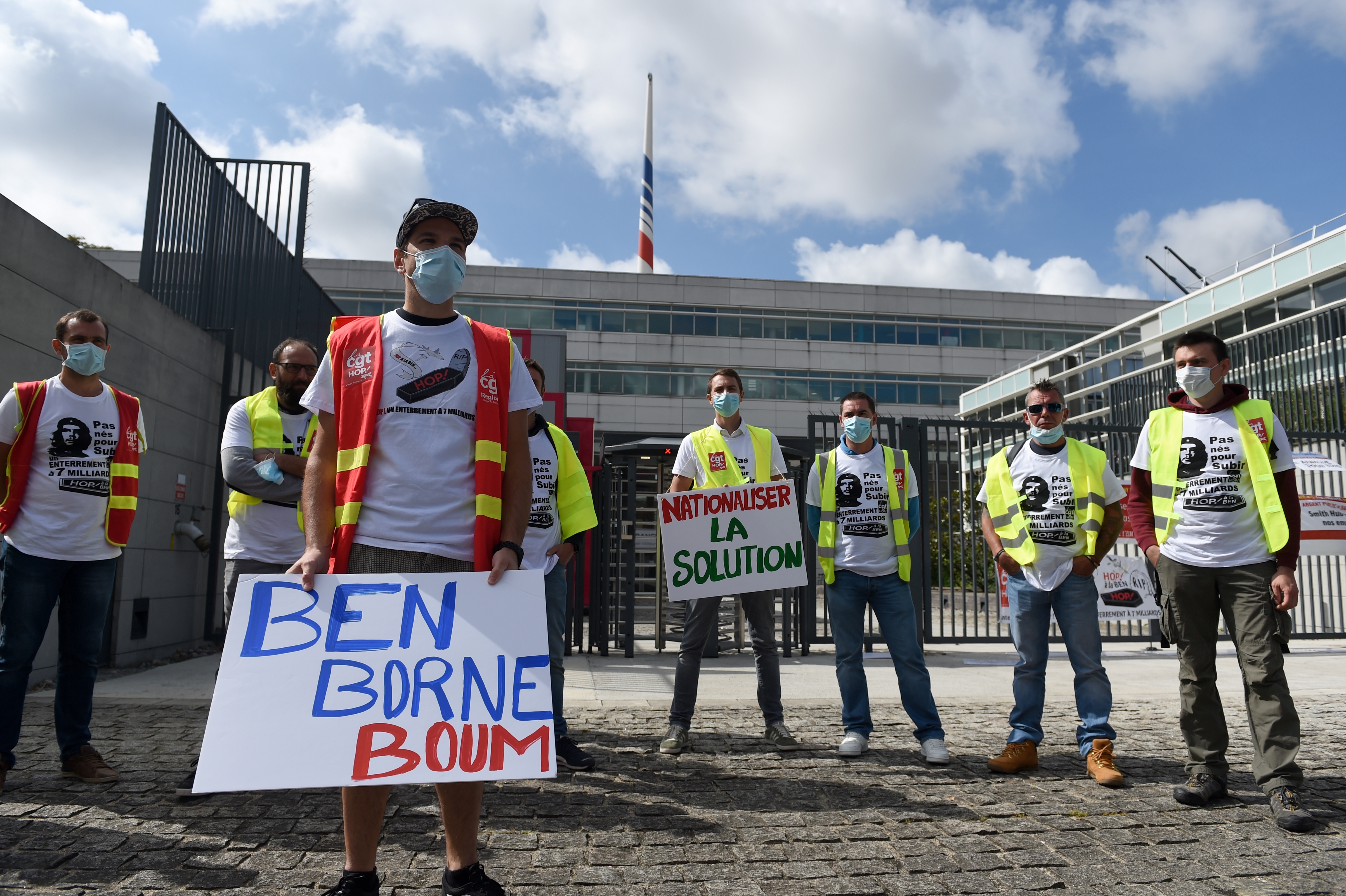
Air France workers demonstrate at the company's offices near Roissy-Charles de Gaulle airport. /Eric Piermont/ AFP
ACROSS EUROPE
Nawied Jabarkhyl in London
Travelers from more than 50 countries will not have to self-isolate upon arriving in England from the 10 July. The government announced a full list of "low risk" nations exempted from the coronavirus quarantine on Friday. Italy, Spain, Germany and France are included, but travel guidance for the U.S. and Greece is still "only in exceptional circumstances."
Elsewhere, Prime Minister Boris Johnson addressed the nation as pubs, restaurants and cinemas across England reopen their doors on 4 July. He's called for people to act "responsibly" as emergency services have warned of a risk of drunken disorder rising with more people encouraged to drink outdoors once establishments reopen.
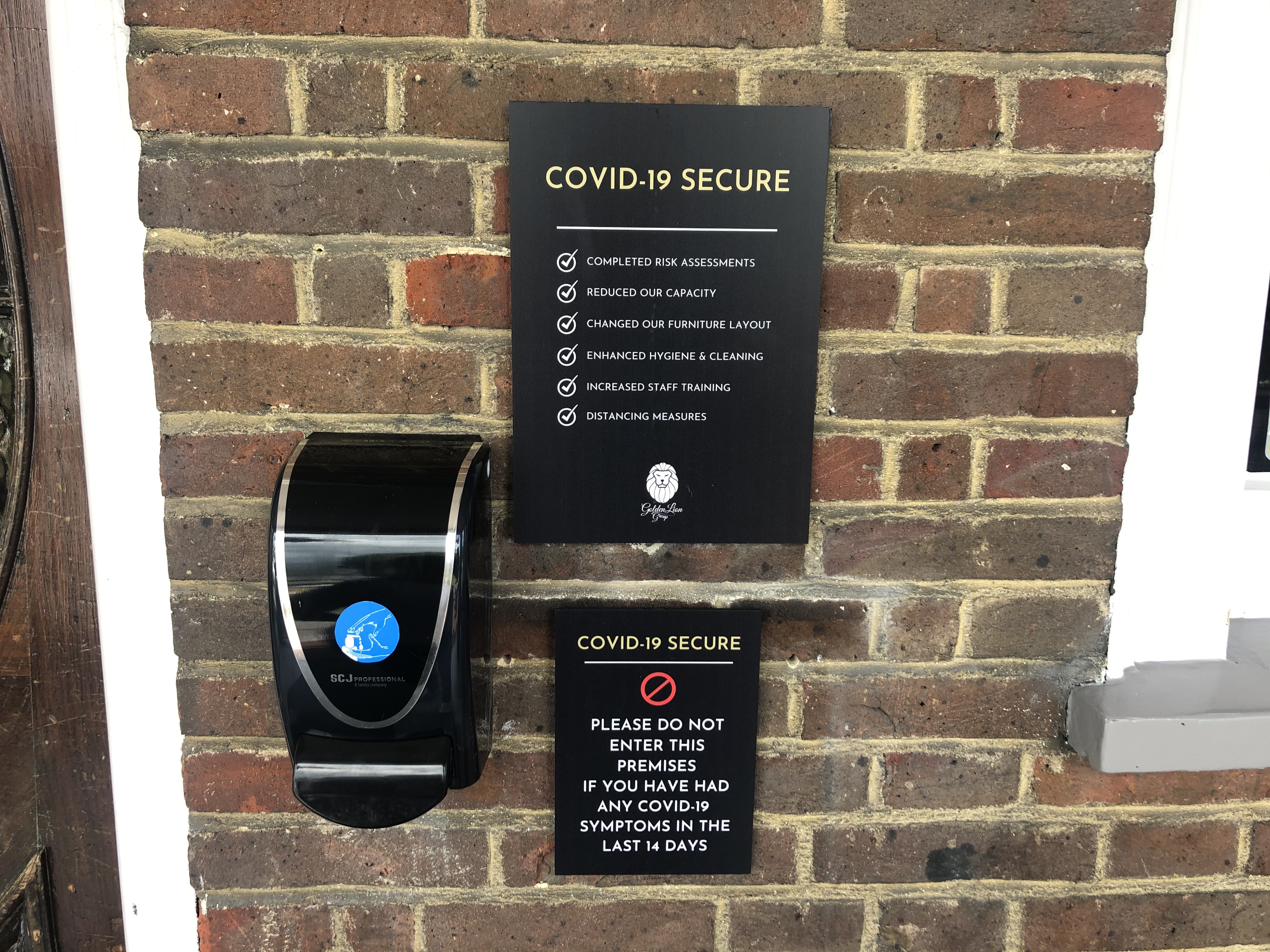
A COVID-19 sign and hand sanitizer outside pubs like this are now a familiar sight across England. /Simon Ormiston
Isobel Ewing in Budapest
Prime Minister Viktor Orbán has encouraged Hungarians to take a holiday within their own country and to continue to exercise measures to prevent a second wave of infection.
Many Hungarians feel that if they don't see the sea at least once a year that they are in prison, Orbán said. However, this year, he urged people to visit Lake Balaton, a large freshwater lake and popular tourist spot in Western Hungary.
In his regular Friday radio slot, Orbán also reiterated his decision to reject the EU's plans to open its external borders to 15 "safe" countries.
Orbán said it was up to Hungarians not to let the virus in, and that "border protection is health protection."
"We must make sure that the intensification of migration does not endanger the health of Hungarians," he said.
Spain
Spain's government says it will create an $11.2 billion rescue fund for firms that are hardest hit by the coronavirus crisis.
In a statement, the government said it would provide "temporary public support to bolster the solvability of non-financial companies affected by the COVID-19 pandemic."
The companies benefiting will be those seen as of strategic importance, from sectors such as security, health, infrastructure and communications, as well as those contributing "to the effective functioning of markets."
The government did not name any companies which will benefit from the fund, which will be distributed in the form of loans, shares or bond purchases by Spain's state-owned industrial holding company SEPI.
Madrid said dividends, interest and value increases flowing from the investment fund would go to the treasury.
Prime Minister Pedro Sanchez's administration also announced a $45 billion new line of state credit to shore up investment in the environment and Spain's digital infrastructure.
Mia Alberti in Frankfurt
German chancellor Angela Merkel said on Friday that overcoming the crisis caused by the COVID-19 pandemic would be one of Germany's EU Council Presidency priorities.
"The corona pandemic has hit Europe and its citizens with full force and more than 100,000 people have lost their lives in Europe to this day. Europe's economy has been severely shaken," Merkel said, speaking before the Bundesrat, the German upper house of parliament, for only the third time in her career.
Merkel explained that the first thing on the EU Council's agenda was to overcome "the immediate consequences of the crisis."
The number of confirmed COVID-19 cases in Germany increased by 446 to a total of 195,674, according to the Robert Koch Institute. There were nine fatalities in the last day, raising the total number of deaths to 9,003.
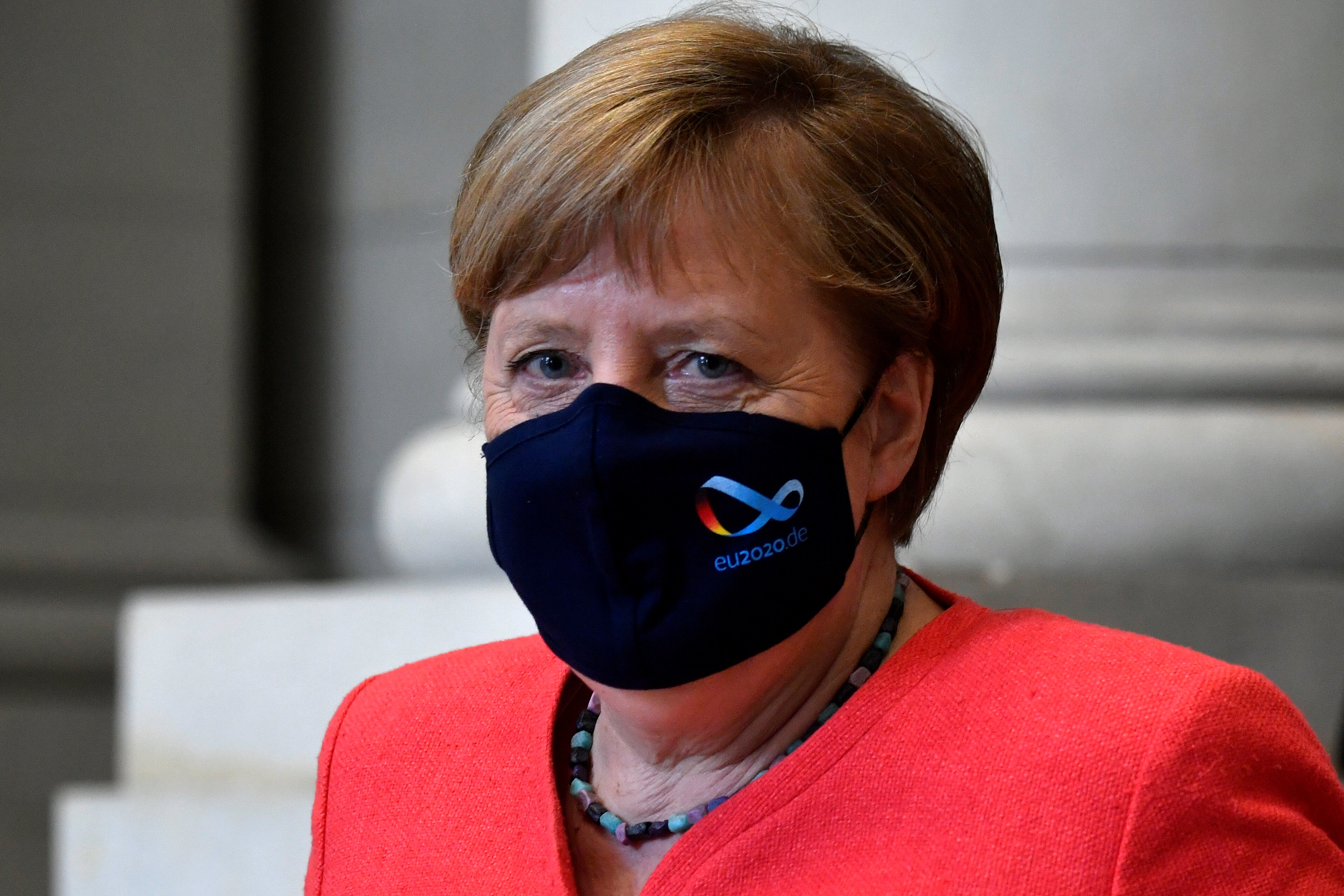
German chancellor, Angela Merkel, wears a face mask with the logo of Germany's EU presidency. /John MacDougall / AFP
FROM OUR GLOBAL COLLEAGUES
CGTN China: Beijing reports two new COVID-19 cases
CGTN America: The Heat: COVID-19 surges in U.S.
CGTN Africa: Sierra Leone doctors' strike leaves COVID-19 patients stranded
Sign up here to get the COVID-19 Europe bulletin sent directly to your inbox.
CGTN Europe has been providing in-depth coverage of the novel coronavirus story as it has unfolded. Here you can read the essential information about the crisis.