- Home
- China
- World
- Europe
- Politics
- Business
- Opinions
- Tech & Sci
- Culture
- Sports
- Travel
- Nature
- Picture
- Video
- Live
- TV
- Specials


Share






Copied
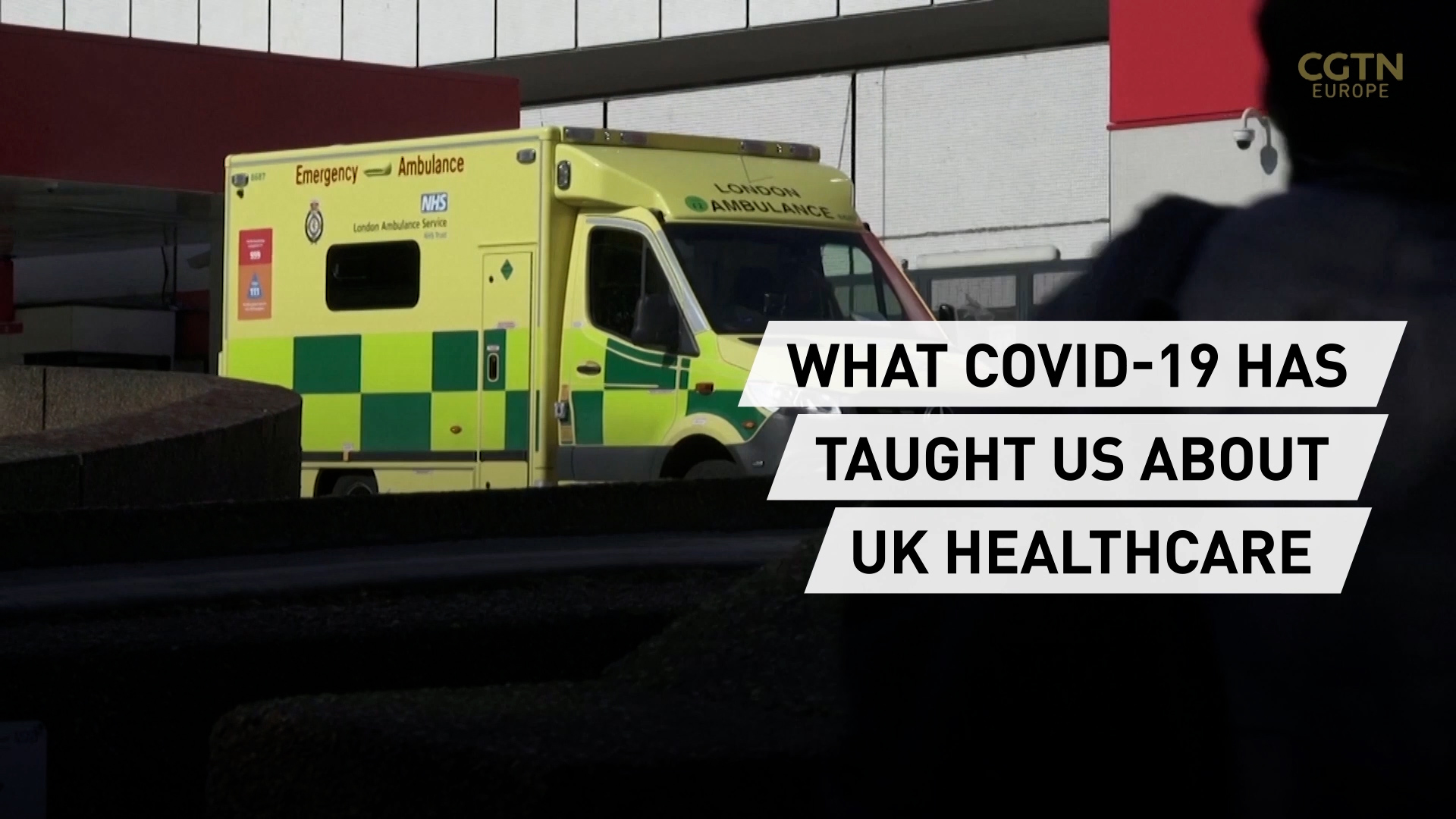
Paul Williams is a general practitioner from Stockton on Tees, in England's North East. His work transformed overnight after measures were put in place throughout the UK.
He told RAZOR's Neil Cairns that, while he is seeing the return of patients, he thinks some of the changes have been for the better and should stay.
"The National Health Service went from being a busy service that was full of patients to all of a sudden nobody contacting us at all. And it was remarkable. It was a very, very strange period," Williams said.
"Very quickly, the NHS became a sort of a digital-first telephone or video consultation service. And I found that I was working all day, maybe having contact with 30 or 40 people, but only seeing one or two of them. And that's the pattern that has now been very well established."
He added: "I really hope the general practice of primary care moves to a digital-first telephone, video, first model. It's so much more convenient for patients.
"The idea that the only way to be able to solve your health problem is to pick up the phone and book a 10-minute appointment with a professional, where you have to then travel to where they are – it just seems to me like something from the last century.
"And I'm delighted if people can fill in something online that covers their symptoms and then, if necessary, have a video consultation.
Although the doctor said not everything can be done remotely.
"A small proportion of people do need to be seen face-to-face," Williams explained.
"There's something about when a patient has their hand on the door ready to leave and they say, 'while I'm here, doctor,' and they mention some pain they've been getting in their chest, or a rash that they're worried about. You don't want to lose that," he added.
"You need to be able to to use that sixth sense sometimes... what's really worrying them? And you can't always do that on a video. But I think there's a much, much greater place for video, for all kinds of digital technologies, to be able to make health services better."