- Home
- China
- World
- Europe
- Politics
- Business
- Opinions
- Tech & Sci
- Culture
- Sports
- Travel
- Nature
- Picture
- Video
- Live
- TV
- Specials

 Europe;Europe
Share







Copied
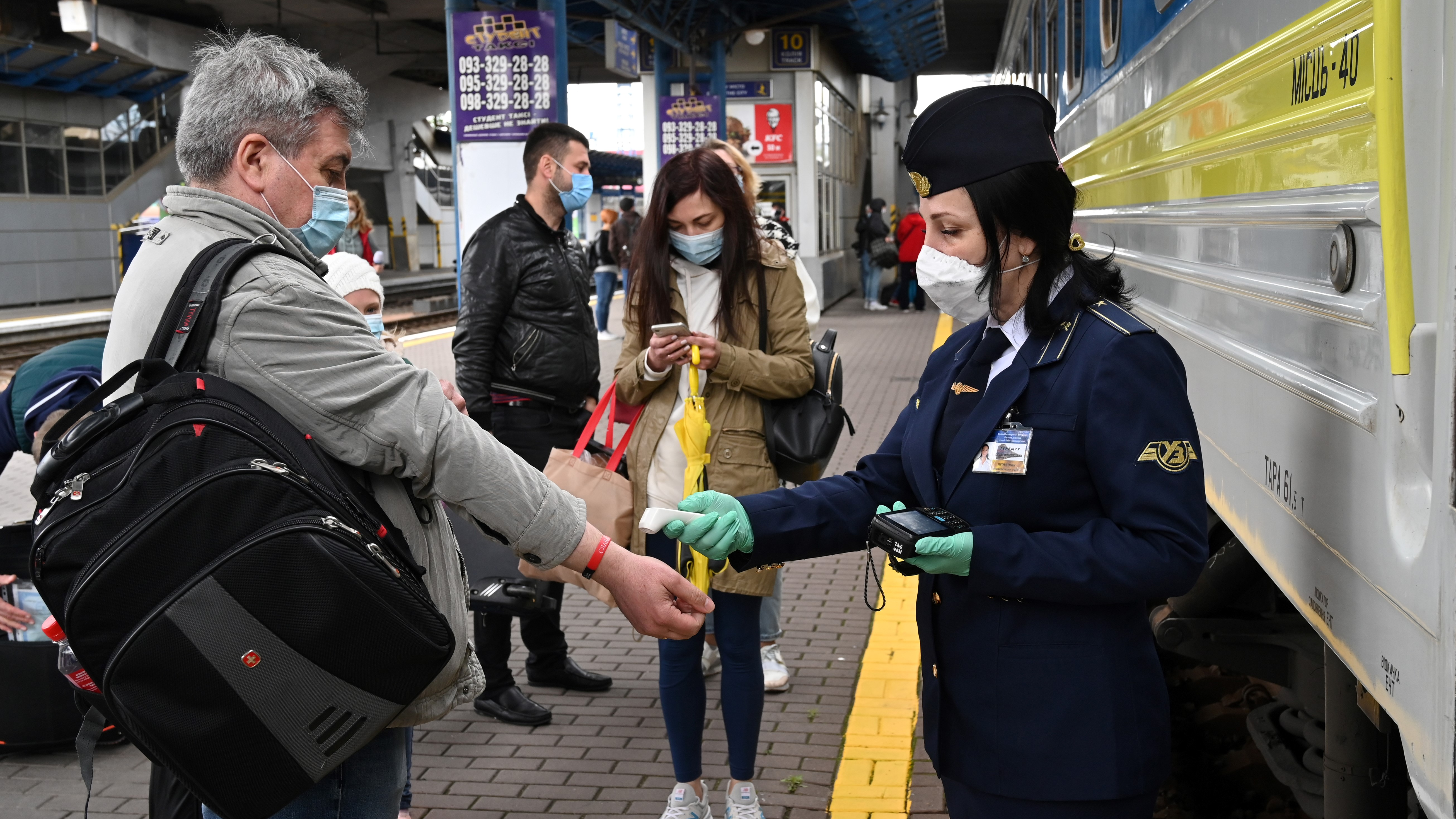
Passenger temperatures are checked at Kiev's central railway station. Genya Savilov/AFP
Ukraine and Czechia are among European countries easing their border restrictions while in stark contrast the UK is toughening them up as coronavirus cases remain high.
Much of Europe is now considering whether to allow foreign visitors this month as they appear to be turning the corner and aiming to get their economies back on track. In line with this, Ukraine will open its borders to some lower risk European countries from mid June.
An EU recovery plan looked to rescue what it could of the summer tourism market and recommended travel to countries on a similar risk level, and it is a strategy that is being used around Europe.
"We plan to relaunch international flights from 15 June. Of course, we can reopen them but the main thing is that our partners are to do the same as well," said Ukraine Foreign Minister Dmytro Kuleba on national television.
He added that Ukraine had been in talks with Turkey, Greece and Spain amongst countries that are popular destinations.
"In general we assume that in the second half of June, countries will be taking decisions on when and on what terms to relaunch. Therefore, we expect gradual resumptions of flights within July, August," Kuleba said.
Other Eastern European countries like Montenegro and the group of Estonia, Lithuania and Latvia have been taking steps to open up borders regionally to begin with.

Countries across Europe are looking to open their borders this month from 'low risk' locations. Filippo Monteforte/AFP
Czechia is looking to open its borders with European countries that it considers to be low risk.
"The loosening of travel restrictions of 15 June is the first step on the road to normalizing travel with the 20 European countries that we have identified as 'low risk' in other words 'safe' destinations and all our immediate neighbours are among them," said Czech Foreign Minister Tomas Petricek.
He added this is a "key step" towards reaching agreements with other countries and coordinating decisions.
Much of Europe including the former coronavirus hotspots of Italy and Spain are now considered low risk while the UK and Sweden stand out as high risk destinations for some including the Czech ministry for health. It means people who have been there will need to go into a 14 day quarantine or show a negative virus test when they are back in Czechia.
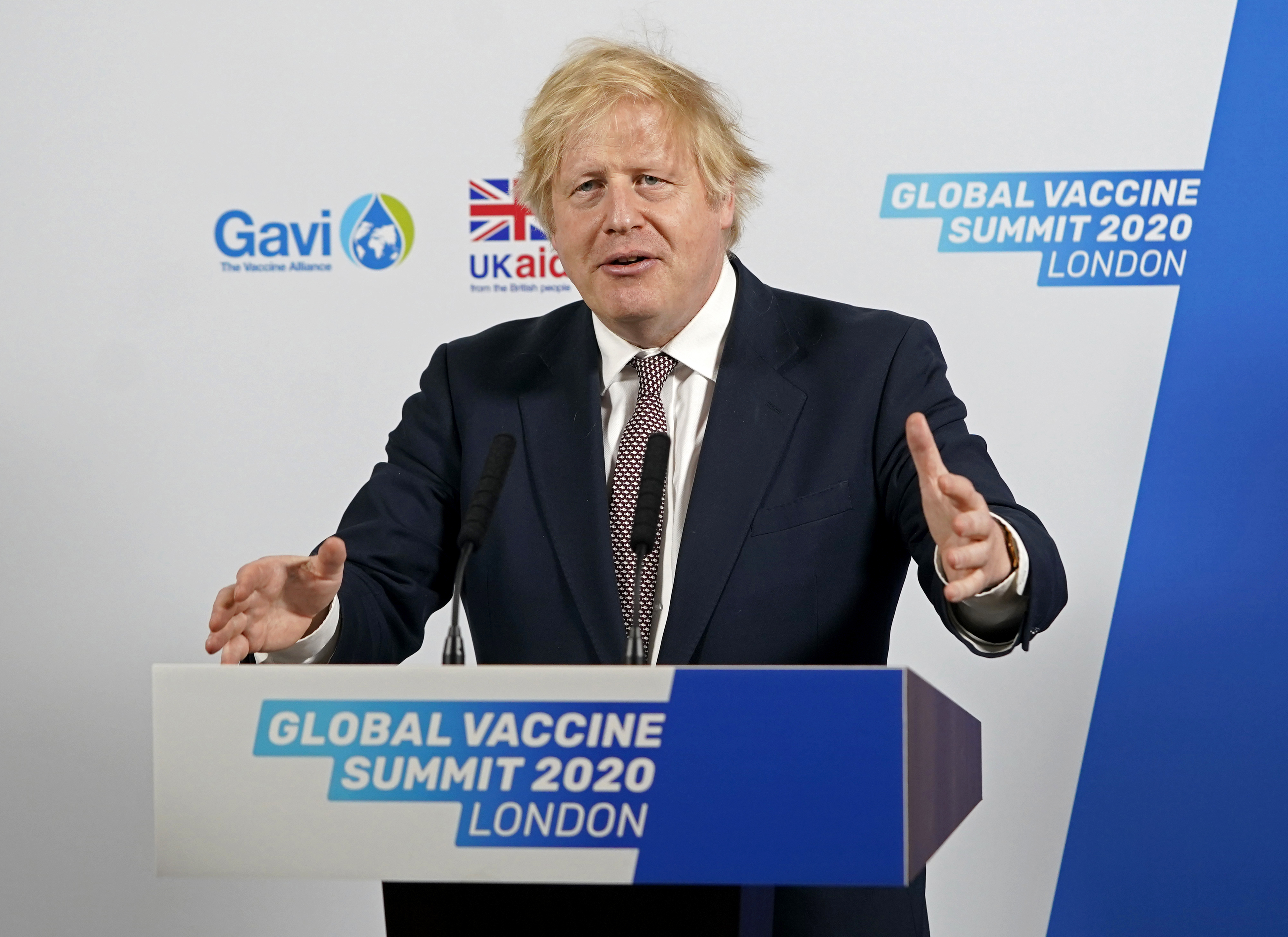
Prime Minister Boris Johnson has said quarantine for travellers to the UK is necessary. Andrew Parsons/AFP
Going in a different direction is the UK, which will be bringing in a two-week quarantine period for people arriving in the country from Monday.
In an unpopular move for many travel companies, the government will introduce it to protect public health. Fines of up to £1,000 will be handed out for people failing to comply with the 14-day quarantine.
The UK government has said it will look to introduce "international travel corridors" with low risk countries later in June.
"We've got to knock this virus on the head," said Prime Minister Boris Johnson.
"Come back to London, or the UK but you've got to quarantine. Everybody has been in lockdown for a long time, I know it's an imposition but we really have got to beat this virus."