- Home
- China
- World
- Europe
- Politics
- Business
- Opinions
- Tech & Sci
- Culture
- Sports
- Travel
- Nature
- Picture
- Video
- Live
- TV
- Specials


Share






Copied
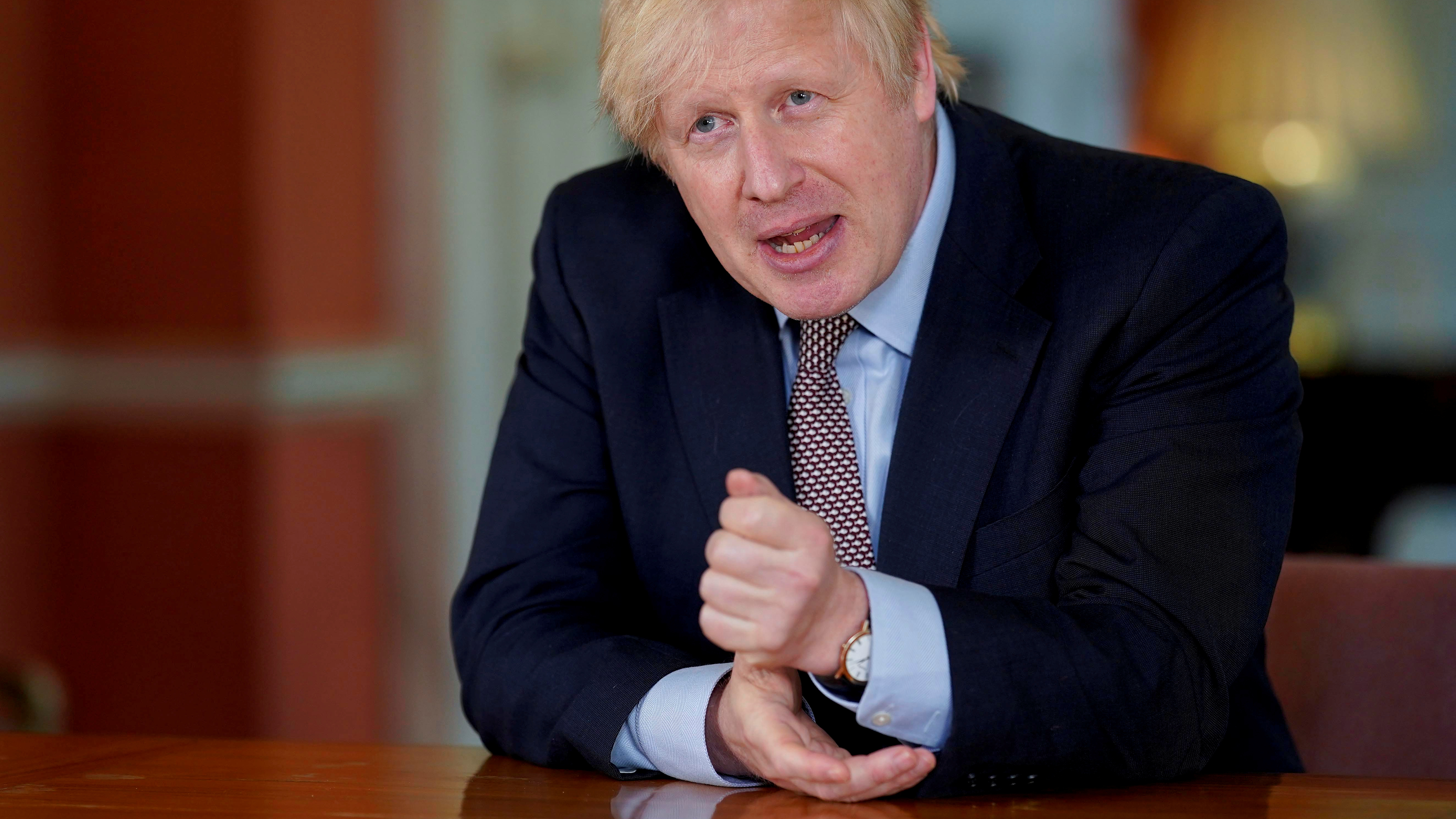
Boris Johnson has outlined a new color-coded scaled plan to bring the UK out of coronavirus lockdown over the coming months but has warned that the "brakes" would be put on if infection rates started to rise.
The UK prime minister said on Sunday that on a scale of one to five with one meaning no new cases, the country was currently at number four following a period of lockdown.
Johnson said it was not the time to lift the lockdown this week but "the first steps" in a gradual process could be taken and that there would now be a change of "emphasis." This means that people should continue to work from home if they can but those who need to go out to work in certain industries like manufacturing should be encouraged to do so.
From Wednesday, the British public will also be able to take unlimited outdoor exercise but always maintaining social distancing. Fines will be increased for those not complying.
He said: "Everyday with ever increasing data we will be monitoring the R and the rate of infections, and the progress we are making and if we as a nation begin to fulfil the conditions I have set out then in the next few weeks and months we maybe able to further."
Johnson outlined that the next stage, which would come at the earliest by the start of June, would see the opening of shops and see some pupils return to primary school. On this same scale, step three would see bars and restaurants reopening, which would not happen before July.
He added that "soon" it will be the time to introduce quarantine on people arriving by air from abroad, which would be effective with the number of domestic infections having dropped sufficiently.
The UK has recorded the most coronavirus-related deaths in Europe at 31,930 - according to Johns Hopkins University.
The new system will apply only to England. Leaders in both Scotland and Wales have dismissed the change, announcing they do not intend to switch from the 'stay at home' messaging. The differing approaches represent a significant divergence between the nations that comprise the UK, who have, since the outbreak began, acted in lockstep.
The government hopes that the new system will better inform the public of the social distancing advice, as the warm bank holiday weekend saw many heading to beaches and parks.
The government's new advice graphic, reads "stay alert, control the virus, save lives" and replaces "stay at home, protect the NHS, save lives." The latter was consistently repeated by government ministers, pinned to lecterns and promoted online.
The government's change of messaging has been attacked for being ambiguous. Questioned, on Sky News, on whether the "stay alert" message was too vague, government minister Robert Jenrick said: "Well, I hope not. We need to have a broader message because we want to slowly and cautiously restart the economy and the country."
Later questioned further in a BBC interview, Jenrick said: "Stay alert by staying home as much as possible, but stay alert when you do go out by maintaining social distancing, washing your hands, respecting others at work."
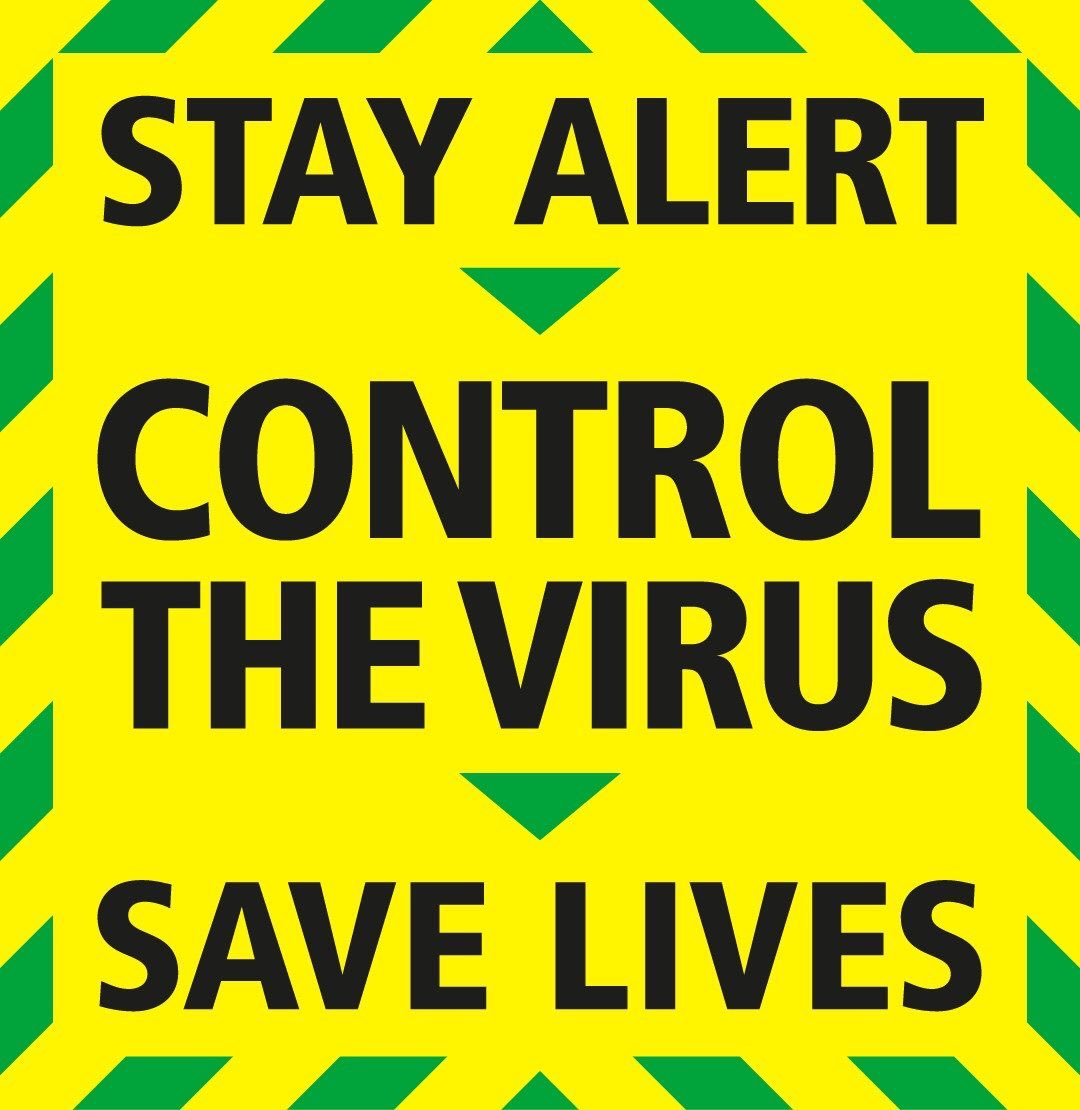
The new advice graphic from the UK government.
The use of colors to indicate threats to citizens from COVID-19 has been utilised across the world, with varying methods and varying degrees of success.
As of May 11, the French government announced they would split the country into red, orange and green zones to indicate how the lockdown may be relaxed region by region.
"Green zones" will be able to lift some restrictions more rapidly than "red zones", which currently includes the whole of the capital, Paris, and surrounding regions as well as northeast France.
A similar method was adopted by India in mid-April, that saw the government divide the country - again using the green, orange, red scale - based on infection rates.